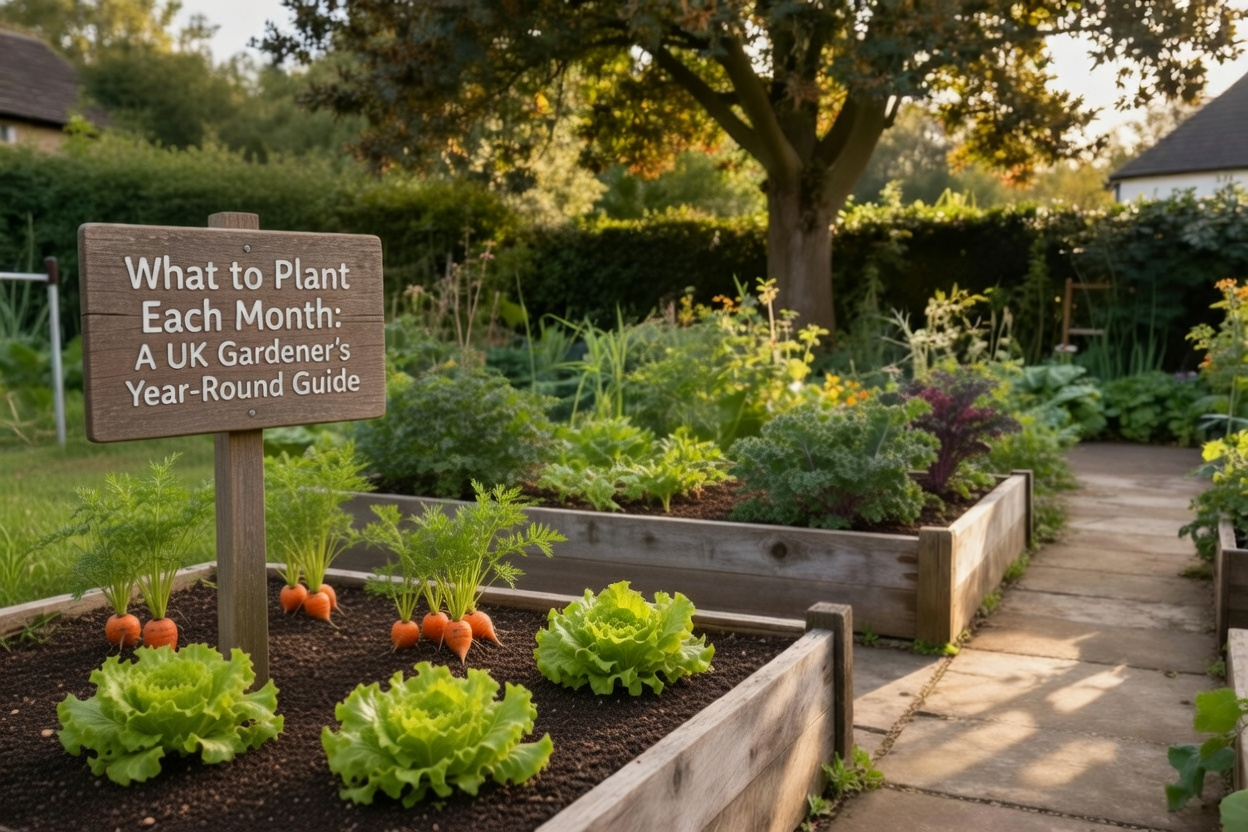
A good UK planting calendar is less about strict dates and more about timing things around light, soil temperature and frost. That’s why the same seed packet can work in March in Cornwall but sulk until April in North Yorkshire.
This guide is for ordinary British gardeners: people with a back garden, allotment, patio, balcony, raised bed or a few pots by the back door. It covers vegetables, herbs, fruit and a few flowers that earn their keep. It’s not a specialist grower’s calendar, and it won’t pretend Aberdeen and Kent have the same spring.
The simple rule is this: sow when the plant has a fair chance of growing strongly, not just because the month has changed.
Before You Start: Match the Calendar to Your Garden
Use this guide as a rhythm, not a command. If your soil is cold, sticky and waterlogged, wait. Seeds rot in cold wet soil, and no amount of optimism fixes that.
A cloche, cold frame, greenhouse or sunny windowsill can bring some jobs forward by a few weeks. An exposed garden, heavy clay soil or a colder northern location may push things back. That’s normal.
Here’s a quick decision aid before the month-by-month list.
| Your garden situation | Best focus | What to avoid |
|---|---|---|
| Small patio or balcony | Salad leaves, herbs, tomatoes, strawberries, dwarf beans | Huge courgettes, maincrop potatoes, sprawling pumpkins |
| Shady garden | Chard, lettuce, parsley, mint, spinach, autumn salads | Tomatoes, peppers, sweetcorn |
| Exposed or windy plot | Potatoes, brassicas, beetroot, broad beans | Tall unsupported beans or sweetcorn |
| Time-poor gardener | Potatoes, chard, garlic, herbs, fruit bushes | Crops needing daily watering or constant picking |
| Beginner grower | Salad leaves, peas, beans, beetroot, courgettes | Fussy crops started too early indoors |
In my experience, the best plan is to grow fewer things properly. Five healthy crops beat fifteen half-forgotten trays on a windowsill.
January: Plan, Order and Start Slowly
January is more about preparation than planting. The days are short, the soil is cold, and most plants aren’t in a hurry.
You can sow chillies, aubergines and some early onions indoors if you have a bright windowsill or a heated propagator. Without enough warmth and light, they’ll grow thin and weak. Don’t force it.
Outdoors, plant bare-root fruit trees, currant bushes, gooseberries and raspberries when the ground isn’t frozen or waterlogged. You can also plant garlic if you missed autumn, though autumn-planted garlic often performs better.
Good January jobs include cleaning pots, ordering seeds, checking seed dates and planning where crops will go. It sounds dull. It saves bother later.
February: First Signs of Movement
February is the month when gardeners get restless. That’s understandable, but it’s still easy to start too early.
Indoors, sow tomatoes, chillies and peppers if you can give them warmth and good light. You can also start leeks, onions and early herbs such as parsley. Broad beans can be sown in pots under cover, especially if mice are a problem outdoors.
Outside, you may plant shallots and onion sets in milder areas towards the end of the month. Chit first early potatoes by standing them in egg boxes or trays somewhere cool and bright. You’re encouraging short, sturdy shoots, not long pale ones.
If the soil is workable, you can sow hardy peas and broad beans under cloches. If it’s cold and wet, wait until March.
March: The Gardening Year Starts Properly
March is when the seed packets begin to make sense. Light levels improve, and the soil slowly wakes up.
Sow hardy vegetables outdoors if conditions are decent: carrots, parsnips, beetroot, spring onions, peas, broad beans, spinach, radish and lettuce. In cold areas, sow under fleece or cloches. Indoors, start tomatoes, brassicas, leeks, herbs and early salad crops.
Plant onion sets, shallots and first early potatoes from mid to late March, depending on your area. If you garden on heavy clay, don’t rush potatoes into wet soil. They hate sitting cold and damp.
March is also a good time to plant hardy perennials, fruit bushes and bare-root hedging before growth speeds up.
April: Sow More, Protect More
April is busy, but frost is still a real risk in much of the UK. Keep fleece handy.
Sow carrots, beetroot, chard, lettuce, rocket, peas, spring onions, radish, turnips and annual herbs such as coriander and dill. You can sow brassicas including cabbage, kale, cauliflower and broccoli in modules for planting out later. French beans and courgettes can be started indoors late in the month, but don’t plant them outside yet.
Plant maincrop potatoes, onion sets, shallots, strawberry plants and hardy herbs. If you’ve bought young plants from a garden centre, harden them off before leaving them outside full-time.
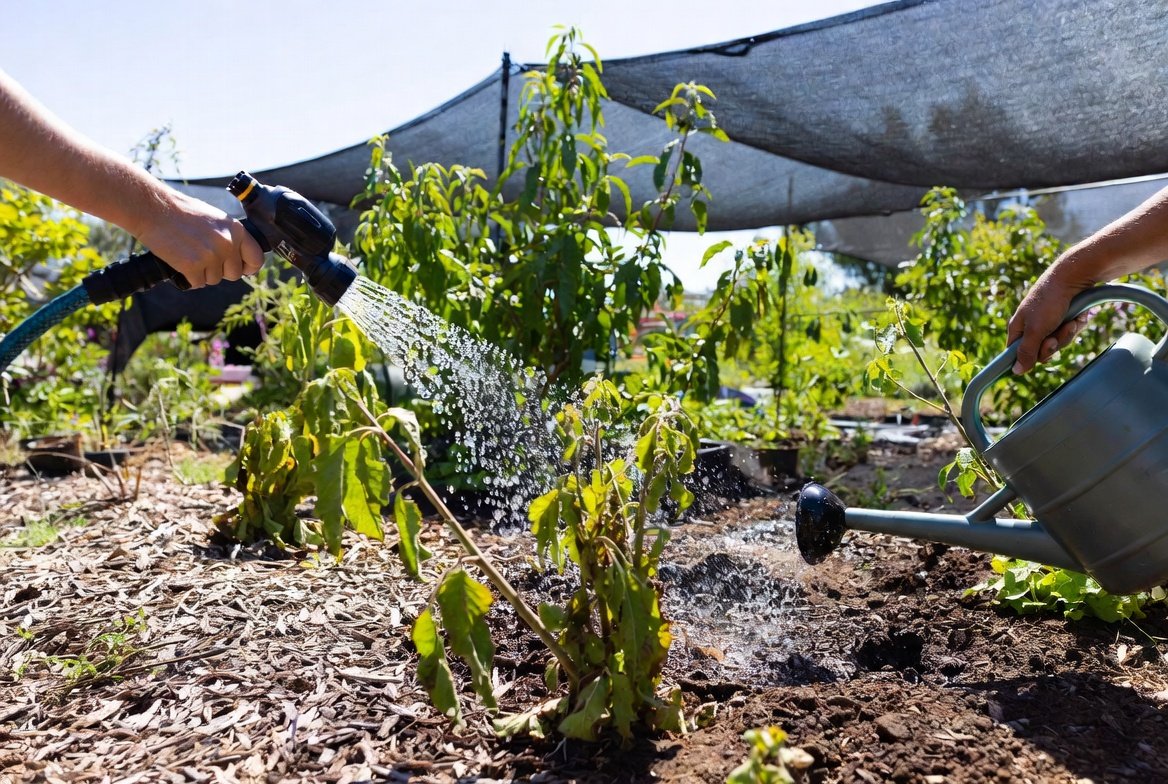
April can be dry, oddly enough. New sowings need steady moisture, especially in raised beds and containers.
May: The Big Planting Month, With One Catch
May feels like summer, then a late frost reminds everyone who’s in charge. Tender crops should only go outside after your local frost risk has passed.
Sow French beans, runner beans, sweetcorn, courgettes, pumpkins, cucumbers and outdoor cucumbers under cover early in the month. In milder places, sow some directly outdoors later on. Keep sowing salad leaves, beetroot, carrots, spring onions and herbs.
Plant out hardened-off tomatoes, courgettes, beans and sweetcorn from late May in many areas. In colder gardens, early June is safer. Tomatoes need the warmest, sunniest spot you have.
You can also plant summer bedding, dahlias and tender annuals after frost risk has passed. Slugs know this too. Check young plants at dusk.
June: Fill Gaps and Keep Cropping
June is not too late. It’s one of the most useful sowing months in the year.
Sow dwarf French beans, beetroot, carrots, chard, lettuce, radish, spring onions, peas for shoots, coriander and basil. You can still sow courgettes and pumpkins early in June if you use young plants or start them in pots.
Plant out brassicas, leeks, celery, celeriac, sweetcorn and remaining tender crops. Keep tomatoes tied in, water containers regularly and feed hungry plants once they start flowering or cropping.
June is also a good month to sow biennial flowers such as foxgloves, wallflowers and sweet Williams for next year. They won’t give instant results, but they’re worth the wait.
July: Think About Autumn Before Summer Ends
July is where many gardeners stop sowing. That’s a mistake.
Sow beetroot, chard, spring onions, carrots, dwarf beans, lettuce, endive, chicory, radish, kohlrabi and turnips. Pak choi and other oriental leaves often do better from mid to late summer because they’re less likely to bolt than in hot spring conditions.
Plant out winter brassicas, leeks and late lettuce. If early potatoes or peas have finished, clear the space and use it again. Empty soil grows weeds; planted soil grows dinner.
Water deeply rather than giving plants a quick sprinkle. Containers may need daily watering in hot weather, especially tomatoes and cucumbers.
August: Sow for Cooler Days
August planting is about fast crops and autumn resilience. The light is fading slowly, so don’t delay too long.
Sow spinach, chard, rocket, lamb’s lettuce, winter lettuce, spring onions, radish, pak choi, mizuna, mustard leaves and turnips. These crops often taste better as the weather cools. You can also sow green manures in empty beds to protect the soil.
Plant strawberry runners, young brassicas and autumn vegetable plants if you find healthy ones for sale. Herbs such as parsley and coriander can still be sown, especially in pots.
The main challenge is watering. Seeds sown into dry August soil need attention until they germinate.
September: Plant for Next Spring
September is a lovely planting month. The soil is still warm, but the worst heat has usually passed.
Sow winter lettuce, spinach, lamb’s lettuce, rocket, mizuna, mustard leaves and spring onions. In milder areas, you can sow overwintering peas and broad beans later in the month, though many gardeners prefer October or November.
Plant garlic in colder regions towards the end of September if conditions are right. Autumn onion sets can also go in now. Spring bulbs such as daffodils, crocus and alliums can be planted, though tulips are best left until November.
This is also a good month for planting perennials. They root well before winter and need less watering than spring-planted ones.
October: Garlic, Onions and Bare-Root Season Begins
October is a strong planting month, especially for crops that need a cold spell or a long growing season.
Plant garlic, autumn onion sets and shallots. You can sow broad beans and hardy peas outdoors in milder areas, or in pots under cover if your soil is wet. Sow winter salads under cloches or in a greenhouse.
Plant fruit trees, raspberries, currants, gooseberries and bare-root hedging once nurseries begin lifting stock. Bare-root plants are usually cheaper than pot-grown plants and establish well if planted correctly.
The high-friction bit is soil condition. If your plot is wet clay, don’t stamp around planting everything at once. You’ll compact the soil and make spring harder.
November: Plant What Likes a Cold Start
November is quieter, but not empty. Plenty can still go in.
Plant tulip bulbs now, as later planting can help reduce problems with tulip diseases. Continue planting garlic, autumn onions, fruit trees, soft fruit and bare-root roses when the soil is workable.
Broad beans can still be sown in many parts of the UK, especially hardy varieties. If your garden is very cold or wet, sow them in pots and keep them in a cold frame or unheated greenhouse.
Clear finished crops, collect leaves for leaf mould and mulch bare soil where you can. Protecting soil over winter is one of the least glamorous jobs, but it pays you back.
December: Keep It Simple
December is mostly a planning and protection month. There’s no need to invent jobs just to feel busy.
You can sow microgreens indoors, start onion seed late in the month if you have good light, and plant bare-root fruit or hedging when the ground is not frozen. Garlic can still be planted in milder areas, though earlier is better.
Check stored potatoes, onions and apples, removing anything soft or mouldy. Make sure pots aren’t sitting in trays of water, and lift containers onto feet if drainage is poor.
December is a good month to be honest about what worked. If nobody ate the kale, don’t grow six plants next year.
A Simple Month-by-Month Planting Strategy
The most productive UK gardens don’t rely on one huge spring sowing. They use small repeat sowings across the year.
For vegetables, think in waves. Sow salads every few weeks from March to September. Sow roots in spring and again in early summer. Plant garlic and onions in autumn so next year starts with something already growing.
For flowers, mix quick annuals with longer-term plants. Hardy annuals can be sown in spring or autumn. Perennials, shrubs and bulbs give structure, so the garden doesn’t depend on bedding plants every year.
For fruit, plant in the dormant season when possible. Apples, pears, raspberries, currants and gooseberries are often easiest to establish from late autumn to early spring.
What to Do Next
Next 10 minutes: walk around your garden and note the sunniest spot, the shadiest spot and any area that stays wet. Those three details decide more than the seed packet does.
Today: choose three crops for the next month, not thirty. Pick one quick crop, one reliable crop and one thing you’re excited to eat.
This week: check your seed packets, buy only what fits your space, and prepare one bed or container properly. Weed it, loosen the soil, add compost if needed and water before sowing if it’s dry.
A UK planting calendar should make gardening feel calmer, not more pressured. If you miss a month, you haven’t failed. There is almost always something else to sow, plant, tidy, protect or plan. The garden keeps moving, and you can move with it.