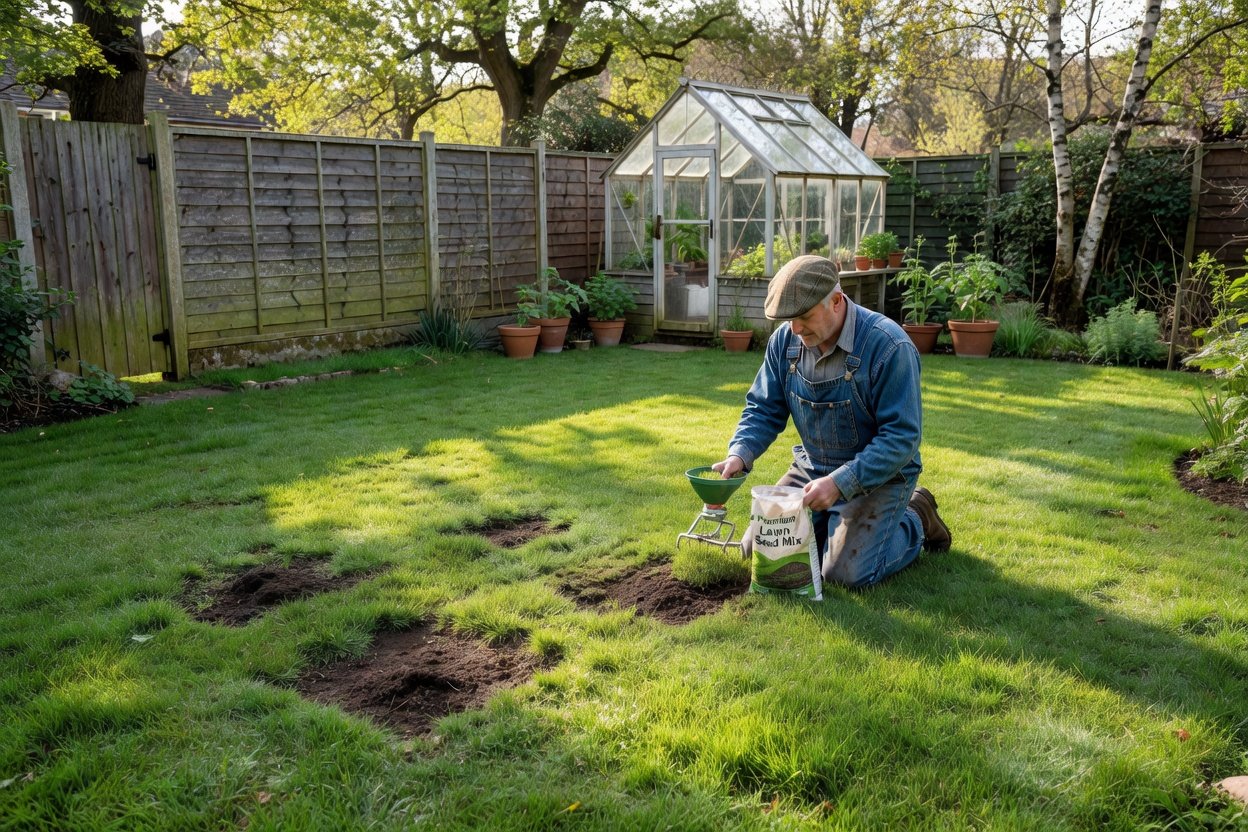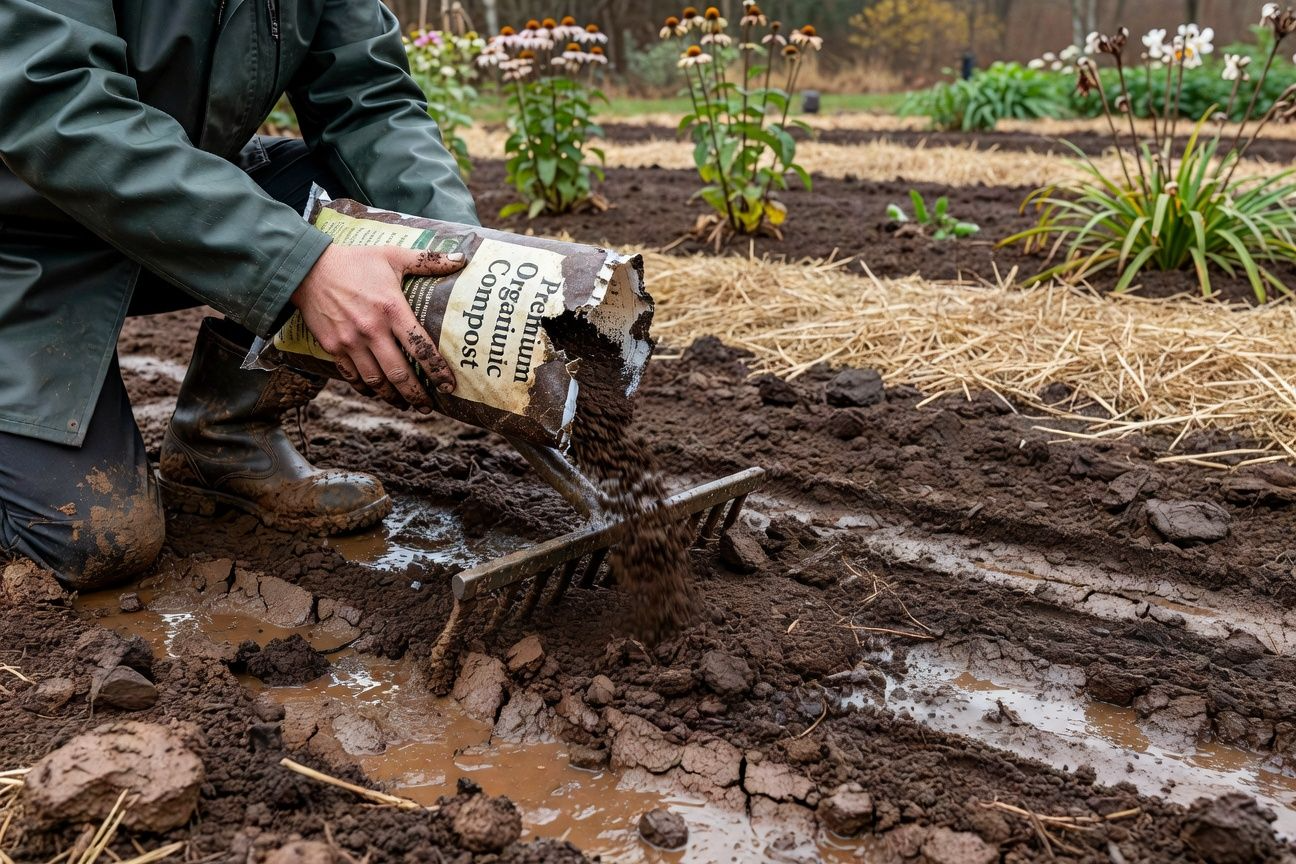
Every autumn and again in high summer, the same problem appears. You cut the grass, rake the leaves, and suddenly there are mounds of green waste blocking the path. Most people default to stuffing it all into the green bin or, worse, throwing it in the general rubbish. That is a waste of potential. Grass clippings and leaves are raw materials for improving your soil, but they require different handling. This is for anyone with a lawn and a tree who wants less waste and better borders. If you have a small patio or struggle with heavy lifting, there are options here that do not require a tractor. The secret is treating grass and leaves as two distinct problems, not one big heap.
The Sludge Problem: Why Grass Clippings Fail
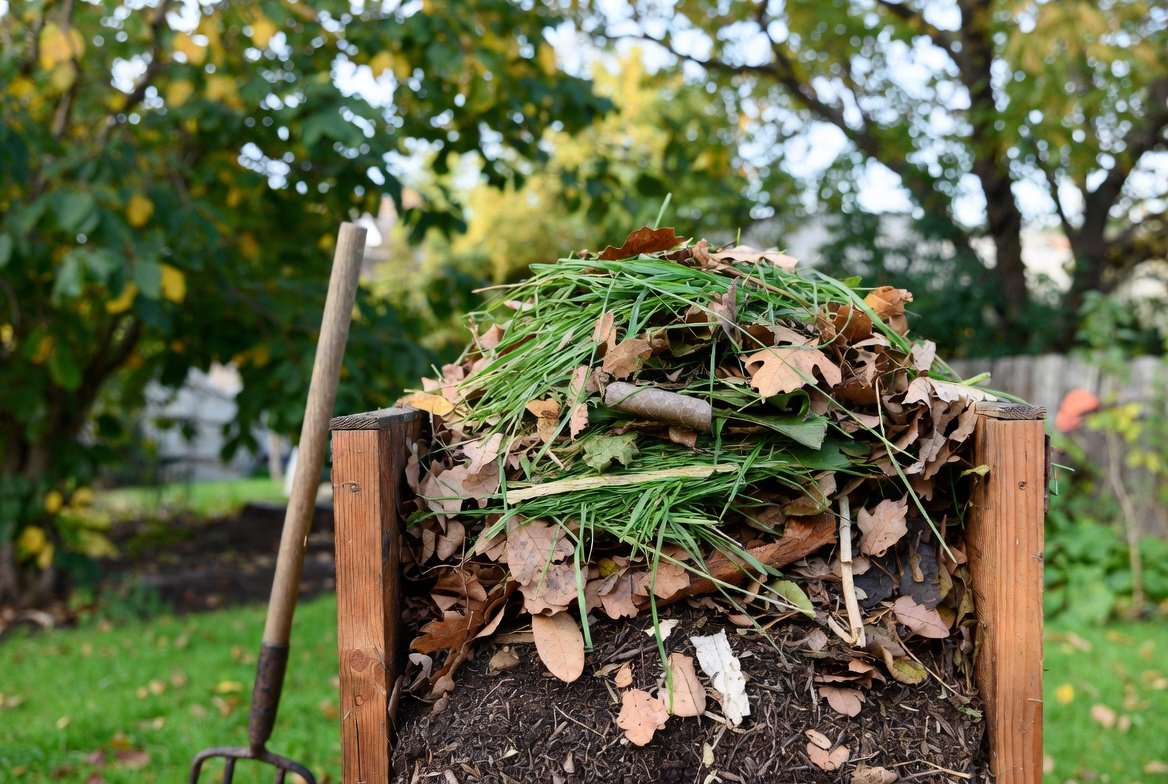
Grass is wet and heavy. When you dump a pile of clippings in a corner, they compact. Air cannot get in, and the pile turns into a black, anaerobic sludge that smells terrible and ruins the soil beneath it. This is the most common mistake in composting grass clippings. Grass is rich in nitrogen — it is a “green” material in compost terms. To decompose properly, it needs “brown” material mixed in, like cardboard, dry twigs, or shredded paper. The ideal carbon-to-nitrogen ratio is roughly 25:1. If you just added a nitrogen overload, you need to balance it with carbon. Mix your clippings with dry leaves or scrunched-up newspaper as you add them to the heap. Do not layer grass more than a few centimetres thick.
The Slow Magic of Leaf Mould
Leaves are different. They are high in carbon but low in nitrogen, so they break down slowly via fungi rather than bacteria. If you try to compost them with grass, they hold the process up. The best solution is leaf mould. It is simple: stuff wet leaves into bin bags, tie the tops, poke a few holes for drainage, and leave them behind the shed for a year or two. You do not need a fancy bin. Unlike compost, leaf mould does not require turning or mixing. The result is a dark, crumbly material that is brilliant as a mulch or soil conditioner. It holds moisture better than commercial compost. If you have the space to store the bags, it is the lowest-effort way to handle autumn leaves.
When You Cannot Compost: Disposal and Recycling
Sometimes you simply have too much waste, or you lack the space for heaps and bags. This is when garden waste disposal becomes a service rather than a DIY job. Most UK councils offer a green waste collection for an annual fee, usually between £40 and £60. They take the waste to a commercial facility where it is composted at high temperatures and often sold back to the public. If you miss the collection or have woody waste that is too thick for the bin, you will need to take it to the local green waste recycling centre yourself. For large clearances, skip hire or a man-with-a-van garden waste removal service is the fastest option, but expect to pay £100–£200 minimum.
| Disposal Method | Cost | Effort | Time to Result |
|---|---|---|---|
| Home Compost Heap | Free | High (turning) | 6–12 months |
| Leaf Mould Bags | Free | Low | 1–2 years |
| Council Green Bin | £40–60/year | Low | Next collection day |
| Skip Hire | £100–200+ | Low | Same day |
The Decision Sprint: Prioritise Your Effort
If you are short on time or energy, do not try to do everything. Focus on the highest-value actions first. If you do nothing else, mulch your grass clippings back into the lawn with a mower; they return nitrogen to the soil and save you emptying the box. Second, bag your leaves for leaf mould rather than binning them; it takes five minutes and pays off next year. Third, only build a compost heap if you can commit to mixing greens and browns; otherwise, you are just making sludge. If physical strength is an issue, avoid turning a heap and rely on the council bin or static leaf mould bags. Do not burn waste unless you have dry, woody prunings and live in a rural area without smoke control restrictions.
Conclusion
You now know that grass and leaves need different treatment. Grass needs air and carbon; leaves just need time and a bin bag. In the next 10 minutes: check if your mower can mulch clippings back into the turf, saving you the job of collecting them. Today: gather any fallen leaves and stuff them into black bags to start making leaf mould. This week: if your compost heap is mostly grass, mix in some torn-up cardboard or dry prunings to get the balance right. In my experience, the gardeners who succeed are the ones who stop trying to force everything into one bin. Treat your waste as two separate resources, and the job gets much easier.