Pulling weeds is satisfying for about five minutes. Then you realise you’ve been here before. You pulled that same dandelion out of the gravel last month, and you hoed that couch grass out of the border in spring. They came back because pulling the top off a weed rarely kills the root. If you want to know how to stop weeds coming back, you have to understand the difference between a seed weed and a root weed. This is for anyone tired of fighting the same battle every weekend. Whether you are dealing with a gravel path or a flower border, the strategy has to match the location. The secret is using the right barrier in the right place, and understanding the biology of the plant you are fighting.
The Biology: Seeds vs. Roots
Weeds fall into two camps. Annuals grow from seed, set their own seed, and die. They are easy to hoe off or pull up. Perennial weeds are the real problem. Couch grass, bindweed, and ground elder grow from rhizomes or stolons—underground stems that store energy. If you want to know how to stop weeds coming back, you must understand this biology. If you chop a couch grass rhizome into fragments while digging, even a 1cm piece can grow a new plant. You haven’t cleared the weed; you’ve propagated it. To beat them, you have to exhaust the root system by repeatedly removing the top growth before it can photosynthesise, or you have to smother it completely.
Paths: The Membrane Rule
Paths and borders require opposite approaches. For path weed control, a physical barrier is your best friend. If you have a gravel path that is constantly sprouting, the issue is usually that there is no membrane beneath the gravel, or the membrane is too thin. A thick, woven weed membrane laid under the gravel stops roots from reaching the soil. Dandelions can push through thin plastic, but they cannot push through a proper woven barrier. For block paving, brush kiln-dried sand into the joints to leave no gap for seeds to land.
| Feature | Gravel Path | Flower Border |
|---|---|---|
| Primary Weed Type | Seeds blown in | Perennial roots |
| Best Barrier | Woven membrane under gravel | Thick organic mulch |
| Maintenance | Spot weed or flame gun | Hand pull / hoe |
Borders: The Mulch Myth
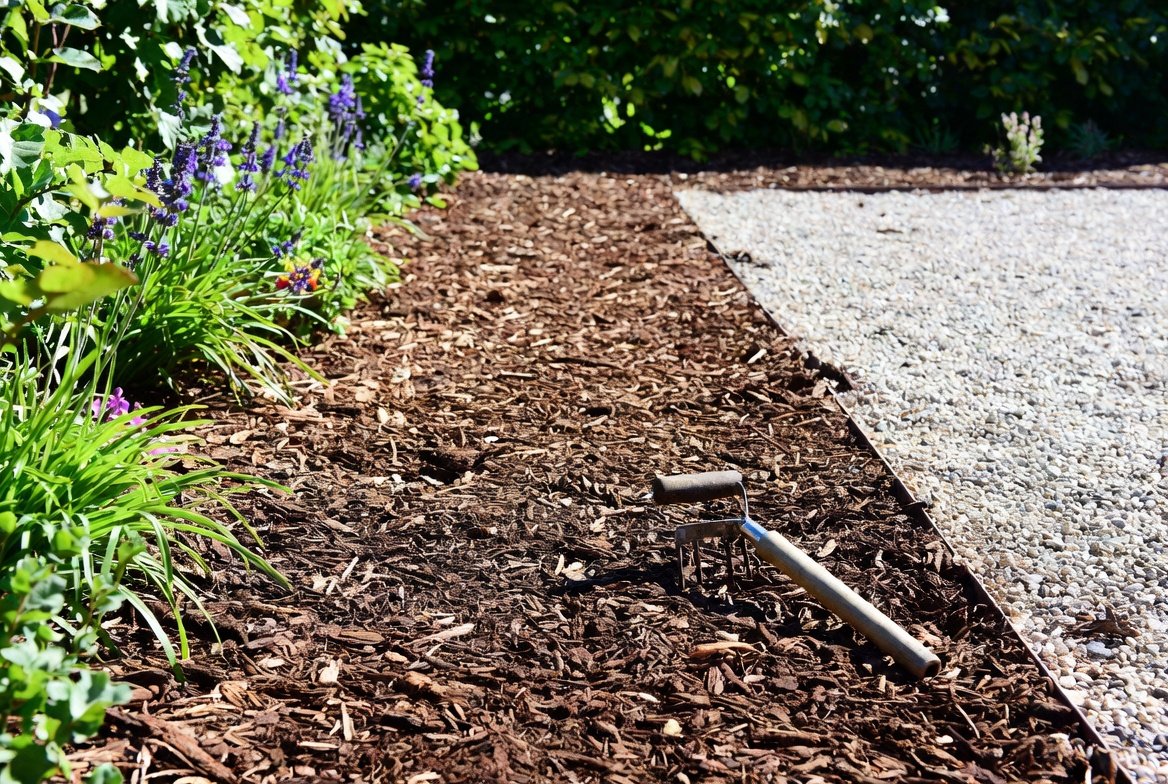
Never lay weed membrane in a flower border. It is a common mistake. People cover the soil, cut holes for their plants, and spread bark on top. Within a year, soil and debris build up on top of the membrane. Weeds blow in, root into this debris, and you now have weeds growing through the fabric, which is impossible to pull out. In borders, the only effective barrier is a thick layer of garden mulch. A 5cm layer of well-rotted manure or bark chips smothers annual seeds and blocks light from reaching perennial shoots. It also makes the soil easier to work when you do have to dig out a root.
Chemicals and the Long Game
Sometimes, you just need to get the root out. For isolated perennial weeds in a border, the most effective method is still a hand fork and patience. Dig gently to avoid snapping the rhizome. If you have a severe infestation of bindweed or couch grass, a glyphosate-based weedkiller applied to the leaves in late summer when the plant is drawing energy down into its roots is the most efficient control. Always follow the manufacturer’s instructions and avoid spraying on windy days. It is not a first resort, but it is often the only way to kill a deep root system without excavating your entire garden.
The Reality Check
You will never eradicate weeds entirely. Seeds blow in on the wind, birds drop them, and the soil contains a seed bank that can last decades. The goal is management, not perfection. A thick mulch in borders and a solid membrane under paths reduces the workload from hours a week to minutes a month. In my experience, the gardens that stay weed-free are the ones where the owner accepts that a ten-minute walk-round with a hoe once a week is just part of the job.
Conclusion
You now know that stopping weeds from returning is about matching the barrier to the location and understanding the root system. In the next 10 minutes: go and check your gravel path. If you can see soil beneath the stones, you need a membrane. Today: order a bulk bag of bark mulch for your borders—at 5cm thick, a small bag won’t cover it. This week: spend half an hour hand-pulling any perennial weeds that are about to set seed, and make sure you get the whole root. Stop fighting the same weeds and start blocking them properly.