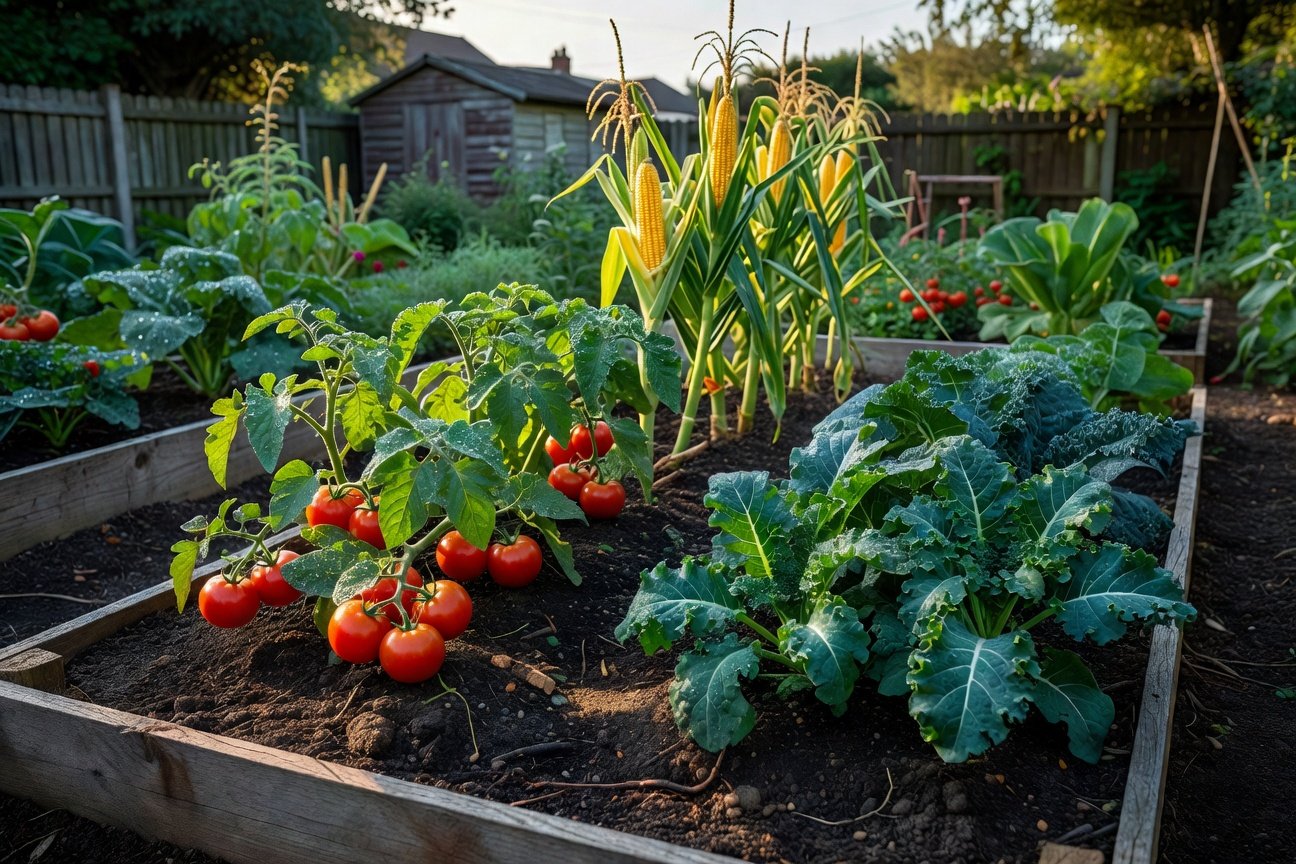
Raised beds are brilliant for growing vegetables in the UK, especially if your garden soil is heavy clay, compacted, stony, or slow to warm up in spring. They give you better control over the soil, make weeding easier, and can turn a small patch of garden into a productive growing space.
They’re not magic, though. Raised beds dry out faster than open ground, cost money to fill, and still need feeding, watering and crop rotation. This guide is for home gardeners with one or two raised beds, a small back garden, a patio setup, or an allotment-style growing area at home.
The best vegetables for raised beds are the ones that make good use of the space: quick crops, repeat croppers, compact plants, and vegetables that benefit from loose, improved soil.
Start With the Size and Depth of Your Raised Bed
The vegetables you can grow depend partly on how deep your raised bed is. A shallow bed can still grow plenty, but it won’t suit every crop.
For salad leaves, radishes, spring onions, herbs and baby spinach, a depth of around 15–20cm can work. For carrots, beetroot, chard, dwarf beans and lettuce, aim for at least 25–30cm. For potatoes, parsnips, tomatoes, courgettes and larger brassicas, deeper is better.
A common raised bed size is about 1.2m wide, because most people can reach the middle from either side without stepping on the soil. That matters. One of the main benefits of raised beds is keeping the soil loose and airy, so avoid walking on them.
Here’s the honest bit: filling raised beds properly can be expensive. A large new bed can swallow more compost and topsoil than you expect. If you’re on a budget, start with one bed, fill it well, and grow crops that give you plenty back.
Quick Guide: Best Vegetables for Raised Beds
Use this table as a starting point. It’s not about what can grow in a raised bed. Almost anything can. It’s about what earns its space.
| Vegetable | Best for | Why it works well in raised beds | Watch out for |
|---|---|---|---|
| Lettuce and salad leaves | Beginners, quick crops | Fast, compact, repeat sowings | Bolts in hot dry weather |
| Radishes | Early harvests | Ready quickly and easy to fit between crops | Turn woody if left too long |
| Beetroot | Reliable roots | Likes loose soil and doesn’t need huge space | Needs steady moisture |
| Carrots | Stone-free beds | Straighter roots in fine soil | Needs protection from carrot fly |
| Chard | Long season cropping | Productive for months | Can get large if not picked |
| Spring onions | Small spaces | Easy to slot into gaps | Slow if crowded or dry |
| Dwarf French beans | Summer harvests | Compact and productive | Tender, so plant after frost |
| Kale | Autumn and winter food | Hardy and useful after summer crops finish | Needs netting from pigeons and caterpillars |
| Garlic and onions | Overwintering beds | Good use of space through colder months | Hate sitting in waterlogged soil |
| Tomatoes | Sunny raised beds | Love warm soil and rich compost | Need staking, feeding and watering |
If you only have one raised bed, don’t fill it with one slow crop. Mix fast crops with longer-season vegetables so the bed keeps producing.
Salad Leaves: The Best First Crop
Salad leaves are one of the easiest and most rewarding vegetables to grow in raised beds. They germinate quickly, don’t need deep soil, and can be harvested little and often.
Sow small amounts every two or three weeks from spring through late summer. This gives you a steady supply rather than one huge glut. Loose-leaf lettuce, rocket, mizuna, mustard leaves and lamb’s lettuce are all good choices.
Raised beds are useful for salads because you can keep the soil fine, weed-free and easy to water. You can also cover young crops with fleece or mesh if birds, cats or cold weather are a problem.
The surprise? You don’t need a whole bed of lettuce. A short row sown regularly is far more useful than a large patch that all bolts at once.
Beetroot: Reliable, Compact and Useful
Beetroot suits raised beds because it likes loose soil and steady moisture. It doesn’t take up much space, and you can eat the young leaves as well as the roots.
Sow beetroot from spring into early summer. In milder areas, later sowings can still work if autumn stays gentle. Sow in short rows, then thin the seedlings so the roots have room to swell.
Beetroot is a good crop for beginners because it’s fairly forgiving. It doesn’t demand the attention that tomatoes or cucumbers do. Just don’t let it dry out for too long, or the roots can become tough.
For small raised beds, pick golf-ball-sized beetroot rather than waiting for giant roots. Smaller roots are tender, quicker, and easier to use in the kitchen.
Carrots: Great If the Soil Is Fine Enough
Carrots can do very well in raised beds because you can create the loose, stone-free soil they need. If you’ve ever grown forked carrots in heavy clay, you’ll see the difference.
Choose shorter varieties if your bed is shallow. Amsterdam forcing types, Nantes types and other shorter carrots are often easier than long maincrop varieties. Sow thinly, because thinning carrots can attract carrot fly.
Carrot fly is the main problem. Raised beds can help a little because the adult flies tend to stay low, but don’t rely on height alone. Cover carrots with fine insect mesh from sowing onwards if carrot fly is common in your area.
Avoid adding fresh manure before sowing carrots. It can encourage forked roots. Fine, settled soil is better.
Chard: The Crop That Keeps Giving
Swiss chard is one of the best vegetables for raised beds if you want long-term harvests from a small space. A few plants can crop for months.
Sow chard in spring or early summer, then pick outer leaves regularly. The plant keeps producing from the centre. Rainbow chard also looks good, which is handy if your raised beds are near the house.
Chard copes better with partial shade than many fruiting crops, so it’s useful in gardens that don’t get full sun all day. It also handles cooler weather well and can keep going into autumn.
Give it space, though. Tiny seedlings become substantial plants. Three or four chard plants are usually enough for a small household.
Dwarf French Beans: Good Yields Without Huge Plants
Dwarf French beans are excellent for raised beds because they’re compact, productive and don’t need tall supports. They’re also easier to manage than climbing beans in a small garden.
Sow them indoors in late spring or directly outside once the risk of frost has passed. In much of the UK, that usually means late May or early June, depending on your area. They need warmth to germinate and grow well.
Pick beans regularly while they’re young and tender. The more you pick, the more the plants tend to produce. Leave pods to get old and stringy, and the plant slows down.
They do need watering in dry spells, especially once flowers and pods appear. Raised beds can dry quickly in June and July. This catches people out.
Kale: One of the Best Winter Choices
Kale earns its space because it crops when many summer vegetables are finished. It’s hardy, useful, and well suited to raised beds where the soil has been improved.
Sow kale in spring or early summer, then plant it out once the seedlings are sturdy. Give each plant enough room. It’s tempting to squeeze brassicas into gaps, but cramped kale becomes weak and hard to pick.
You’ll need protection. Pigeons love kale, and caterpillars from cabbage white butterflies can strip plants in summer. Fine mesh or netting makes a big difference.
Curly kale, cavolo nero and dwarf varieties all work well. For small raised beds, compact varieties make more sense than huge plants that dominate the space.
Garlic and Onions: Useful Over Winter
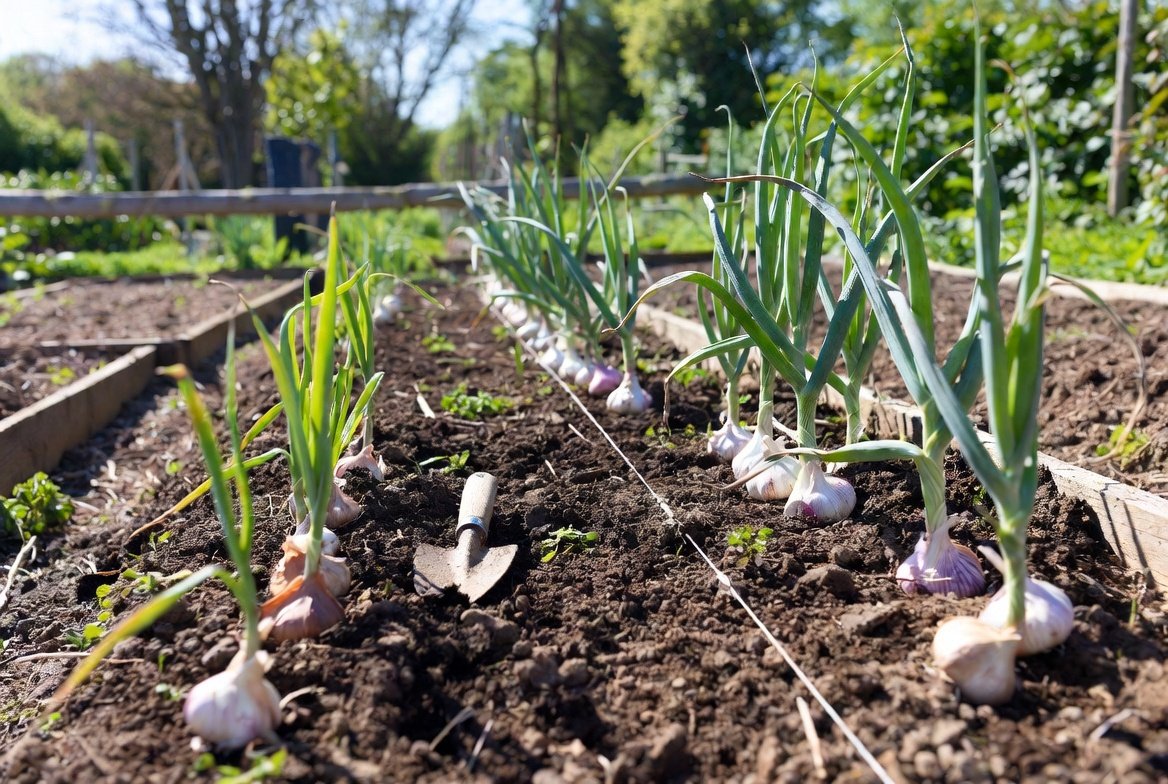
Garlic and onions are good raised bed crops because they use space during the colder months, when beds might otherwise sit empty. Autumn planting is common in the UK, especially for garlic and overwintering onion sets.
They like free-draining soil, which makes raised beds helpful. What they don’t like is sitting in wet, compacted ground all winter. If your garden soil is heavy clay, a raised bed can give them a better chance.
Plant garlic cloves with the tips just below the surface, usually in autumn or late winter depending on variety. Onion sets can go in autumn or spring. Keep the bed weeded, as onions dislike competition.
Don’t overfeed with rich nitrogen-heavy material late in the season. You want good bulb formation, not just soft leafy growth.
Tomatoes: Productive, But Not Effort-Free
Tomatoes can be excellent in raised beds if the bed is in a warm, sunny, sheltered position. They like rich soil, warmth and regular watering.
Choose outdoor varieties suited to UK growing, especially if you don’t have a greenhouse. Bush tomatoes are easier in small beds because they need less training than cordon types. Cordon tomatoes crop well, but they need staking, tying in and side-shooting.
The biggest challenge is consistency. Tomatoes hate irregular watering. Dry soil followed by heavy watering can lead to split fruit, and inconsistent moisture can contribute to blossom end rot.
This is where raised beds cut both ways. They warm up quickly and drain well, but they dry out faster. If you’re away a lot in summer, tomatoes may be better in large pots with a watering system, or you may want to grow less thirsty crops instead.
Courgettes: Productive, But Space-Hungry
Courgettes grow well in raised beds, but they need more room than beginners expect. One healthy plant can easily take over a corner of a small bed.
If you have a large raised bed, one courgette plant can be worth it. It will produce plenty if picked regularly. If you have only a small bed, think carefully before giving so much space to one plant.
Start courgettes indoors in spring and plant out after frosts. They like rich soil, sun and steady water. Add compost before planting and water deeply in dry weather.
One plant is usually enough for many households. Two can become a courgette situation.
What Not to Prioritise in Small Raised Beds
Some vegetables can grow in raised beds but aren’t always the best use of space. Maincrop potatoes, pumpkins, sweetcorn and large cabbages can take up a lot of room for a relatively slow return.
That doesn’t mean you can’t grow them. If you love potatoes, grow early potatoes in a raised bed and harvest them young, or use bags to save bed space. If you want pumpkins, let them trail out over a path or unused corner rather than across the whole bed.
The best raised bed crops are usually quick, compact or high-value in the kitchen. Think salad leaves, herbs, beetroot, carrots, beans, chard and cut-and-come-again greens.
Most people get better results by growing what they’ll actually eat every week. Obvious, but often ignored.
How to Plan a Raised Bed for Continuous Harvests
A raised bed works best when you treat it as a changing space, not a one-off spring planting project. As soon as one crop finishes, another can go in.
In early spring, sow radishes, salad leaves, spring onions and beetroot. In late spring and early summer, add beans, carrots, chard and outdoor tomatoes if the bed is sunny. In late summer, sow more salad leaves, spinach, pak choi, spring onions or turnips. In autumn, plant garlic, onions or broad beans if your site suits them.
This rhythm keeps the bed productive and helps reduce bare soil. Bare soil grows weeds and loses structure under heavy rain.
If you do nothing else, plan for two seasons: spring-summer and autumn-winter. That one shift makes raised beds much more useful.
Feeding, Watering and Looking After the Soil
Raised beds need regular topping up because organic matter breaks down and the soil level sinks. Add compost each year, ideally in autumn or early spring.
For hungry crops such as tomatoes, courgettes and brassicas, add extra compost before planting. Tomatoes also benefit from liquid feed once flowers and fruits appear. Leafy crops such as chard and salad leaves need fertile soil, but don’t overdo strong feeds.
Water deeply rather than sprinkling the surface. A quick splash encourages shallow roots and doesn’t help much in hot weather. Mulching around plants with compost, straw or leaf mould can help keep moisture in.
Rotate crops where you can. In a small raised bed system, perfect rotation is difficult, but try not to grow the same plant family in the same spot every time. Brassicas, onions, legumes and roots all have different needs and problems.
A Simple Raised Bed Planting Plan
For a beginner with one sunny raised bed, start with crops that are reliable and useful. Try salad leaves along the front, beetroot and carrots in short rows, dwarf French beans in one section, and chard at the back or side.
After early crops finish, sow more salad leaves or spring onions. In autumn, plant garlic or overwintering onions where summer crops have been cleared.
For a shadier raised bed, skip tomatoes and courgettes. Grow chard, lettuce, spring onions, parsley, beetroot, spinach and kale instead. You won’t get the same results as a sunny plot, but you can still harvest plenty.
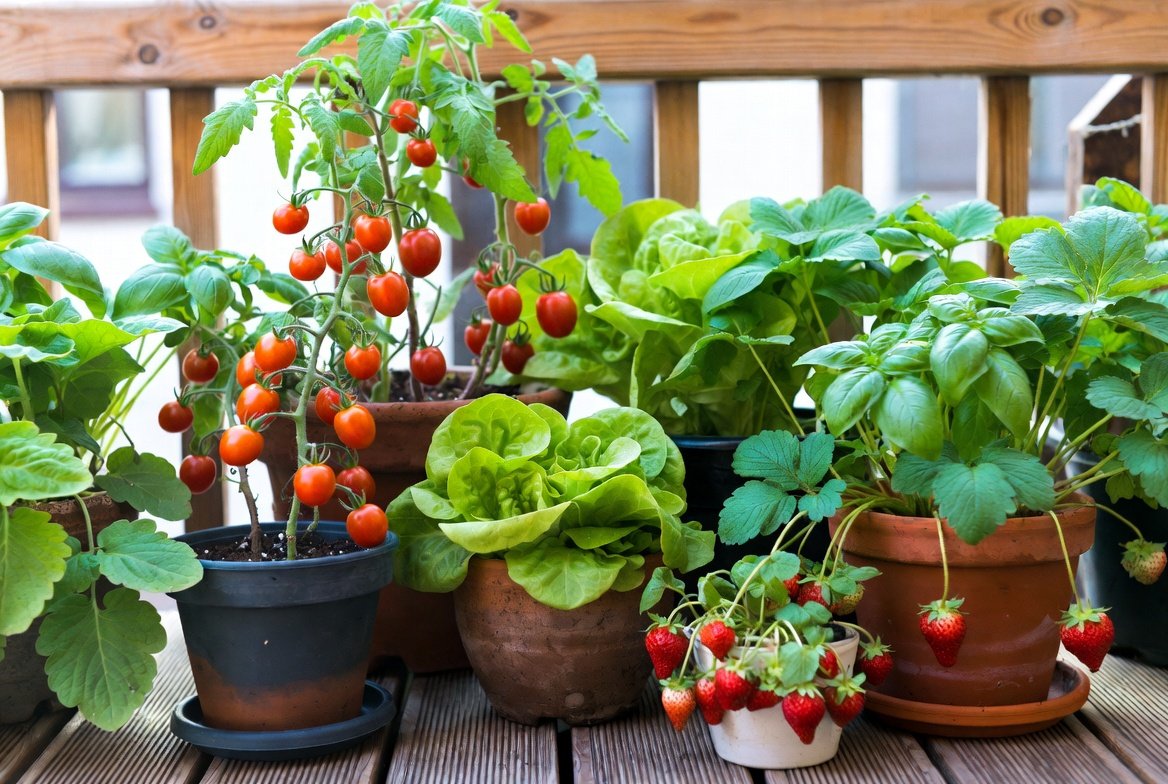
For a family garden, grow quick snacks and dinner staples. Lettuce, carrots, beans, tomatoes and strawberries nearby will get picked. A bed full of unusual crops may be interesting, but it often gets ignored.
What to Do Next
Next 10 minutes: measure your raised bed and check how much sun it gets. Six or more hours of summer sun gives you the most options; partial shade is still fine for leafy crops.
Today: choose four vegetables that suit your bed depth and light. A good beginner mix is salad leaves, beetroot, dwarf French beans and chard.
This week: top up the bed with compost, remove weeds, and sow one quick crop first. Salad leaves or radishes are ideal because they give you an early win.
The best vegetables to grow in raised beds are not always the biggest or most impressive. They’re the crops that suit your space, grow strongly in loose soil, and give you regular harvests without taking over. Start simple, keep the soil fed, water properly, and your raised bed will earn its place quickly.