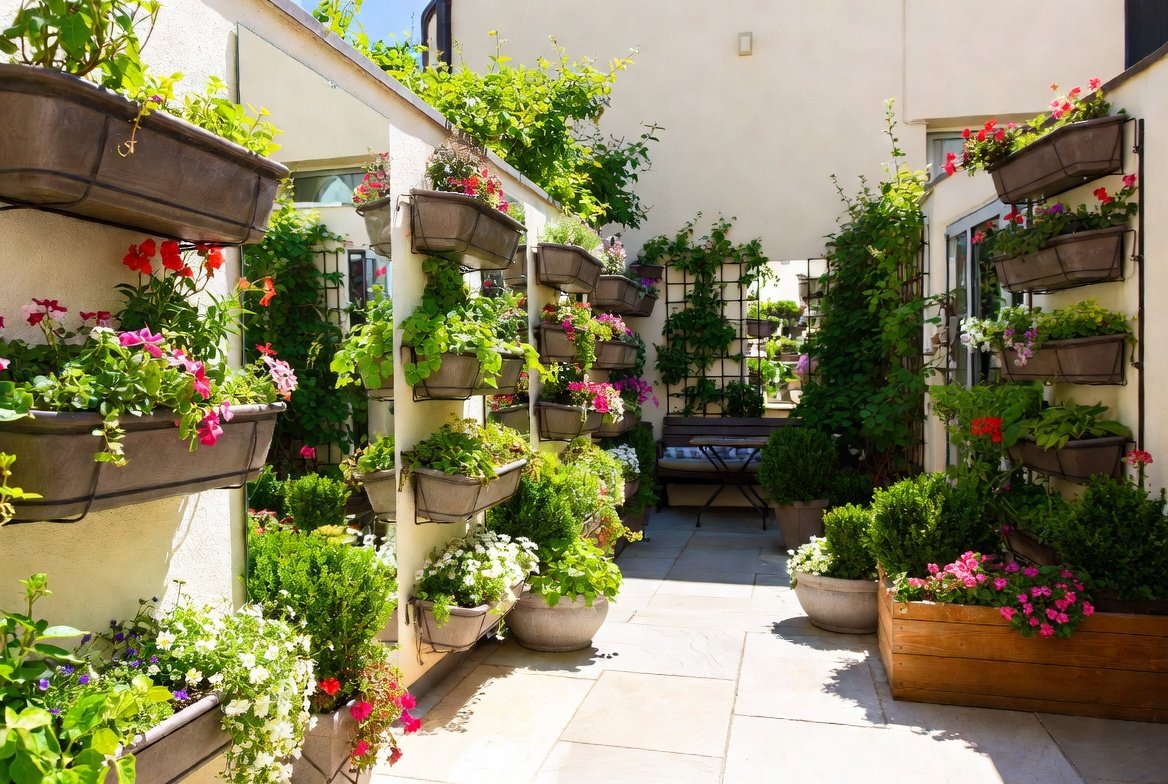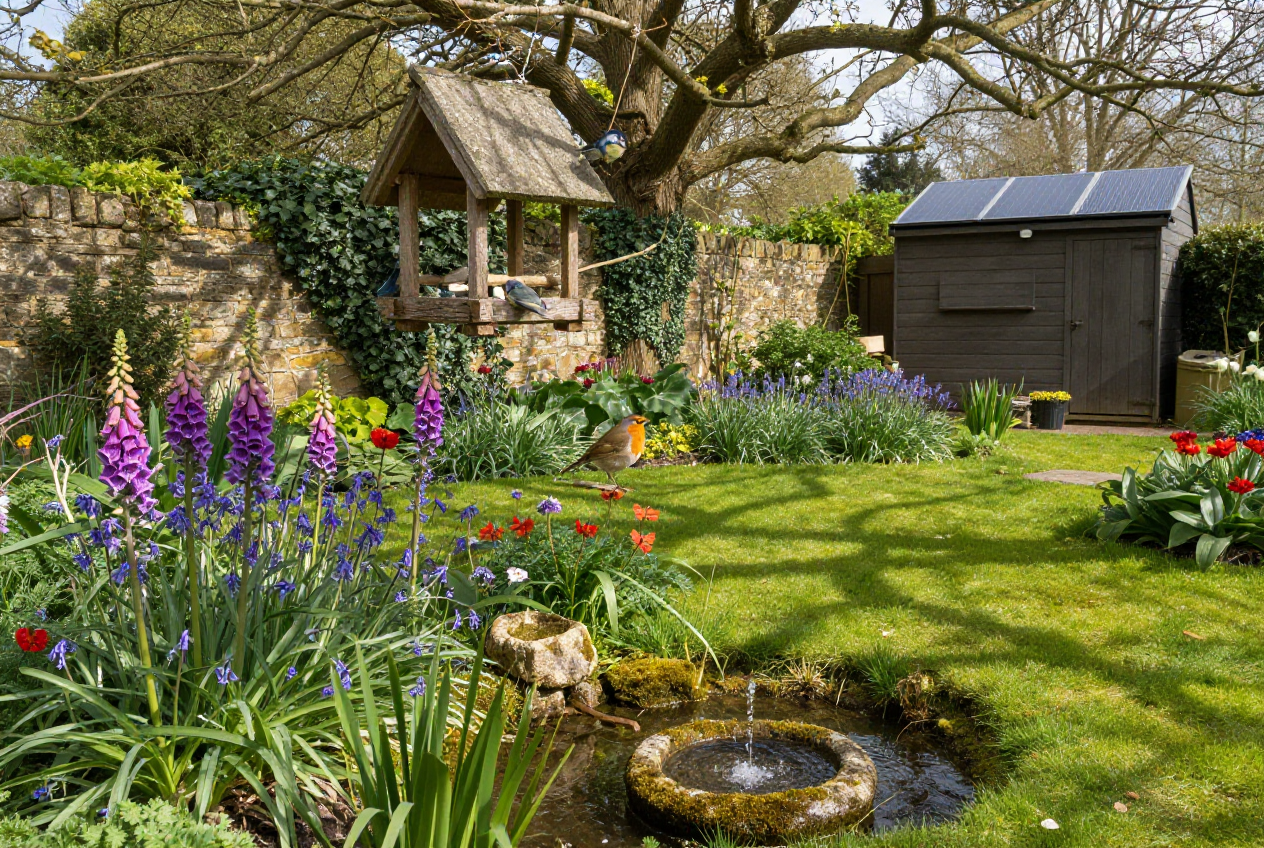
A wildlife-friendly garden doesn’t need to look wild, neglected, or hard to manage. In fact, some of the best UK wildlife gardens are ordinary back gardens with a few thoughtful changes: more flowers, less pesticide, a pond if there’s space, and somewhere for insects, birds, frogs and hedgehogs to shelter.
This guide is for UK gardeners who want to support nature without turning the whole garden over to nettles and brambles. You’ll learn what to plant, what to stop doing, and which small changes make the biggest difference.
Start With Food: Plant for Pollinators
The simplest way to attract wildlife is to grow more plants that provide nectar, pollen, seeds, berries, or leaves for insects to eat. Bees, butterflies, hoverflies and moths all need flowers, but they don’t all feed at the same time of year.
Aim for flowers across as much of the year as possible. In early spring, plants such as crocus, primrose, lungwort, hellebore and willow help insects emerging after winter. In summer, lavender, foxglove, catmint, knapweed, scabious, verbena and thyme are excellent choices. In autumn, ivy, sedum, Michaelmas daisies and single-flowered dahlias can keep pollinators going before the cold weather arrives.
Single flowers are usually better than very full double flowers. Many double varieties have petals packed so tightly that insects struggle to reach the nectar. They may look pretty, but they’re often less useful.
Native plants are especially valuable because many UK insects have evolved alongside them. Hawthorn, blackthorn, foxglove, cowslip, honeysuckle, field scabious and oxeye daisy are all good options. That said, you don’t have to plant only natives. Many non-native garden plants also provide nectar, especially herbs such as rosemary, oregano, marjoram and sage.
Add Water, Even If You Don’t Have Room for a Pond
Water is one of the most useful things you can add to a wildlife-friendly garden. Birds need it for drinking and bathing. Bees and other insects need shallow water. Frogs, newts and dragonflies need ponds to breed.
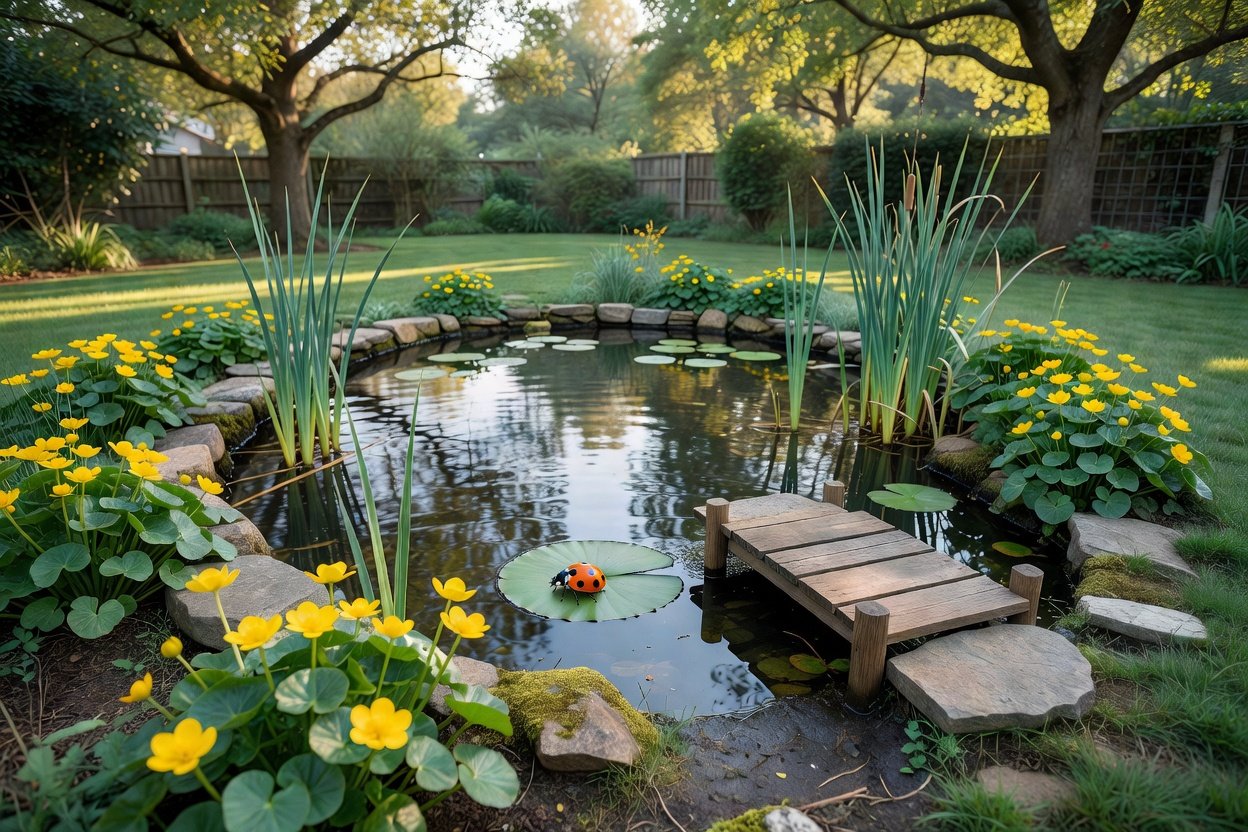
If you have space, a small pond can transform a garden. It doesn’t need to be large. Even a washing-up bowl-sized wildlife pond can support insects and give birds somewhere to drink, as long as it has gently sloping sides or stones to help animals climb out.
For a proper wildlife pond, choose a sunny or partly sunny spot away from overhanging trees. Avoid adding fish, as they eat frogspawn and many aquatic insects. Add native pond plants such as hornwort, water forget-me-not, marsh marigold and water mint. Let the pond fill naturally with rainwater if possible, or use water from a water butt.
If you can’t add a pond, use a shallow dish of water with pebbles in it. The pebbles give insects somewhere safe to land. Clean and refill it often, especially in hot weather.
Create Shelter and Nesting Spaces
Wildlife needs somewhere to hide, nest, overwinter and raise young. A garden that is too tidy can be surprisingly poor for wildlife, even if it has plenty of flowers.
Leave a small corner undisturbed if you can. A pile of logs, a heap of leaves, a patch of longer grass, or a few stones in a quiet spot can provide shelter for beetles, spiders, frogs and hedgehogs. These areas don’t need to dominate the garden. One tucked-away corner is enough to start.
Hedges are usually better for wildlife than fences. Native hedging such as hawthorn, blackthorn, hazel, holly, dog rose and beech can provide flowers, berries, nesting space and cover. If you already have fences, consider growing climbers such as ivy, honeysuckle or clematis to soften them.
Bird boxes can help, but only if they’re placed carefully. Put them somewhere sheltered, away from strong midday sun and out of easy reach of cats. Clean them out once a year in autumn, after the nesting season has finished.
Bee hotels are popular, but they’re often overused as a quick fix. A small, well-made bee hotel in a sunny, sheltered position can help solitary bees. A huge, damp, badly maintained one can spread disease. Natural nesting places, such as bare soil, old stems and dead wood, are often better.
Make Your Lawn Work Harder
A perfect striped lawn is not very useful for wildlife. That doesn’t mean you have to dig it all up. Changing how you cut it can make a big difference.
Try leaving part of the lawn longer during spring and summer. Long grass gives shelter to insects and can allow wildflowers such as clover, selfheal, daisies and buttercups to flower. These plants are useful for bees and other pollinators.
You could also try “No Mow May”, but don’t feel you have to stop mowing the entire lawn. A more practical option is to mow paths through longer grass or leave one section uncut while keeping the rest neat. This looks intentional, which matters if you still want the garden to feel cared for.
Avoid feeding the lawn too heavily. Rich soil encourages thick grass, which can outcompete wildflowers. If you want a more flower-rich lawn, remove grass clippings after mowing to slowly reduce soil fertility.
Stop Using Pesticides Where Possible
One of the most effective wildlife-friendly changes is also one of the least glamorous: stop using pesticides unless there is a serious problem.
Slug pellets, weedkillers and insect sprays can affect more than the target pest. Insects are food for birds, bats, frogs and hedgehogs. If you remove too many insects, the rest of the garden food chain suffers.
Instead, use physical and natural controls first. Pick off pests by hand where practical. Encourage predators such as ladybirds, lacewings, birds and frogs. Use barriers around vulnerable plants. Grow sacrificial plants such as nasturtiums to draw aphids away from crops.
Slugs are frustrating. Every UK gardener knows it. But a garden with frogs, beetles, birds and hedgehogs is better balanced than one treated like a battlefield.
Feed Birds Responsibly
Bird feeders can be very helpful, especially in winter and early spring when natural food is harder to find. Sunflower hearts, peanuts, suet balls and nyjer seed can attract different species, including tits, finches, robins and sparrows.
Clean feeders regularly. Dirty feeders can spread disease among birds, particularly finches. Move feeders around occasionally to prevent droppings building up in one area.
Natural food is just as important as bought seed. Berry-producing shrubs such as rowan, hawthorn, holly, cotoneaster and elder can feed birds in autumn and winter. Seedheads from teasels, sunflowers and ornamental grasses can also provide food if you leave them standing.
Don’t cut everything back too early. Those brown seedheads may look past their best, but to birds and insects they’re still useful.
Help Hedgehogs Move Between Gardens
Hedgehogs travel much further than many people realise. A single garden is rarely enough for them, so they need connected spaces.
If you have a fence, create a small hedgehog highway: a gap around 13cm by 13cm at the bottom of the fence or gate. This is big enough for a hedgehog but usually too small for most pets. Speak to neighbours if you can, because connected gardens are far more useful than isolated ones.
Avoid using netting at ground level, as hedgehogs can get tangled in it. Check long grass before strimming. If you have a pond, make sure there is a ramp or shallow edge so hedgehogs can climb out if they fall in.
You can also make or buy a hedgehog house, placing it in a quiet, sheltered part of the garden. Don’t keep disturbing it to check whether it’s being used. That’s the hard bit.
Choose Peat-Free Compost
A wildlife-friendly garden should also consider the habitats beyond the garden fence. Peatlands store carbon and support rare plants, birds and insects. When peat is extracted for compost, those habitats are damaged.
Peat-free compost has improved a lot in recent years. Some brands are better than others, so it may take a little testing to find one that suits your plants and watering habits. For seed sowing, choose a finer peat-free seed compost. For containers, use a peat-free multipurpose mix and feed plants as needed.
This is one of those changes that feels small but has a wider effect. Your garden can help wildlife without taking resources from another habitat.
Avoid the Common Mistake: Doing Everything at Once
The best wildlife gardens develop gradually. If you try to add a pond, replace the lawn, plant a hedge, build a bug hotel and redesign the borders in one weekend, you’ll probably end up tired and over budget.
Start with two or three changes. Add nectar-rich plants. Stop using pesticides. Leave one messy corner. These are low-cost and effective.
Then add bigger features when you’re ready. A pond, hedge, fruit tree, or wildflower area can come later. Wildlife will respond surprisingly quickly, but a healthy garden ecosystem takes time to build.
A Simple Wildlife-Friendly Garden Plan
If you’re starting this week, here’s a practical plan.
In the next 10 minutes, walk around your garden and look for one place where wildlife could shelter. It might be behind a shed, under a hedge, or in a quiet corner.
Today, choose one pesticide or weedkiller you can stop using. Replace it with a manual, physical, or wildlife-friendly method.
This week, plant something useful for the season. In spring, choose early flowers such as primrose or lungwort. In summer, add lavender, scabious, marjoram or catmint. In autumn, plant ivy, sedum, spring bulbs, or a native shrub with berries.
A wildlife-friendly garden doesn’t have to be perfect. It just needs food, water, shelter and fewer chemicals. Get those basics right, and your garden will start to feel more alive: more birdsong, more bees, more movement in the borders, and more reasons to step outside with a cup of tea and look closely.