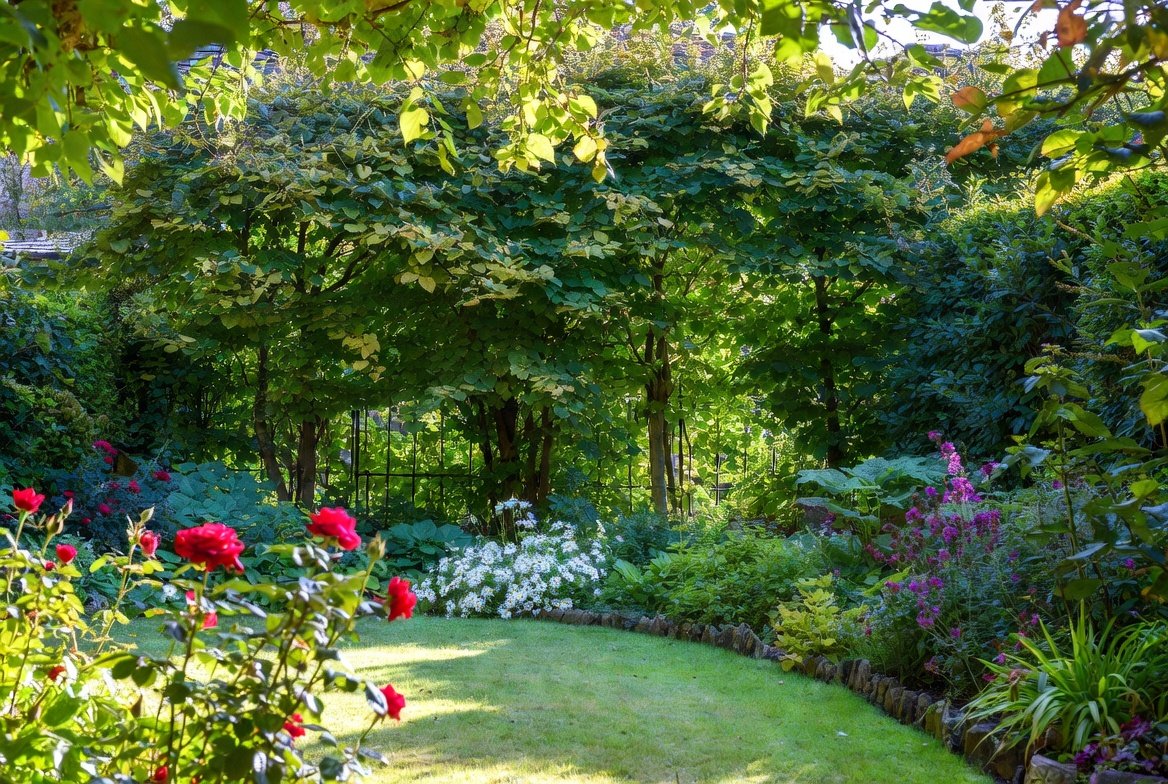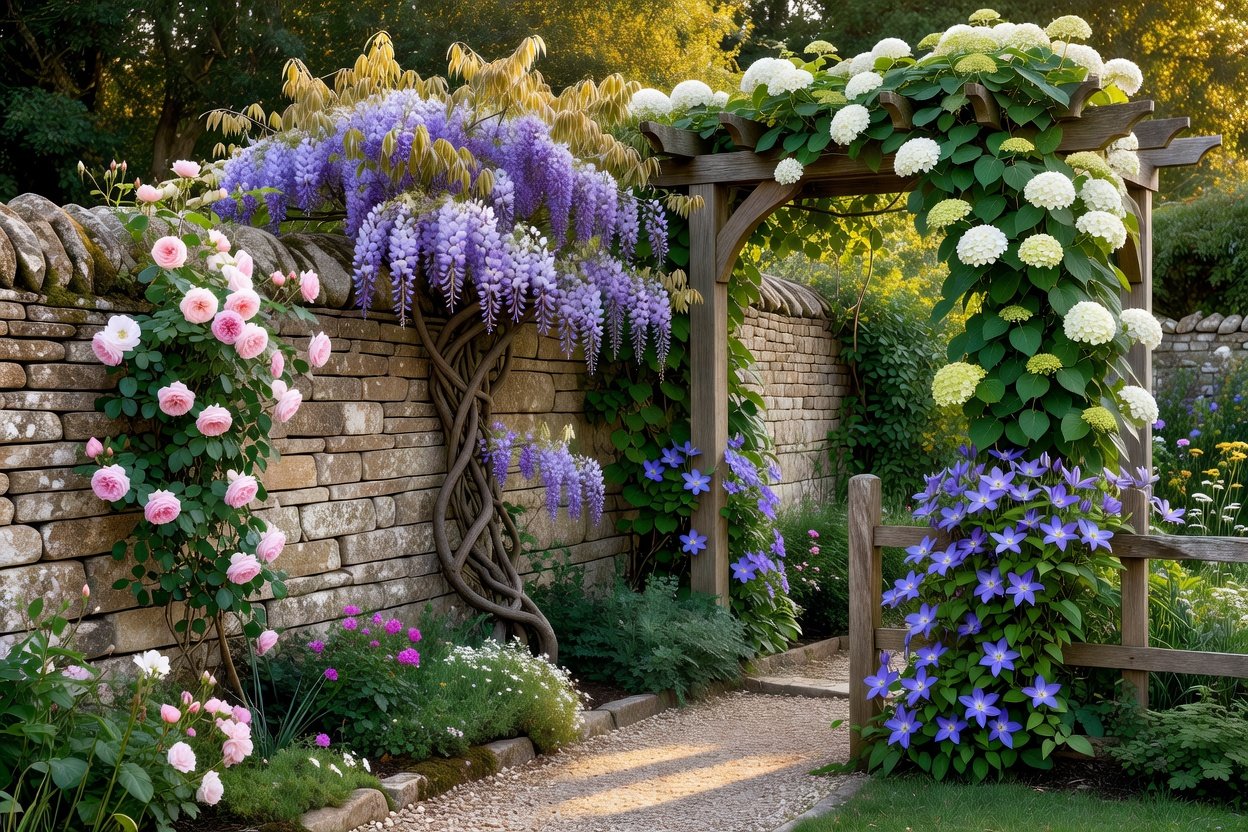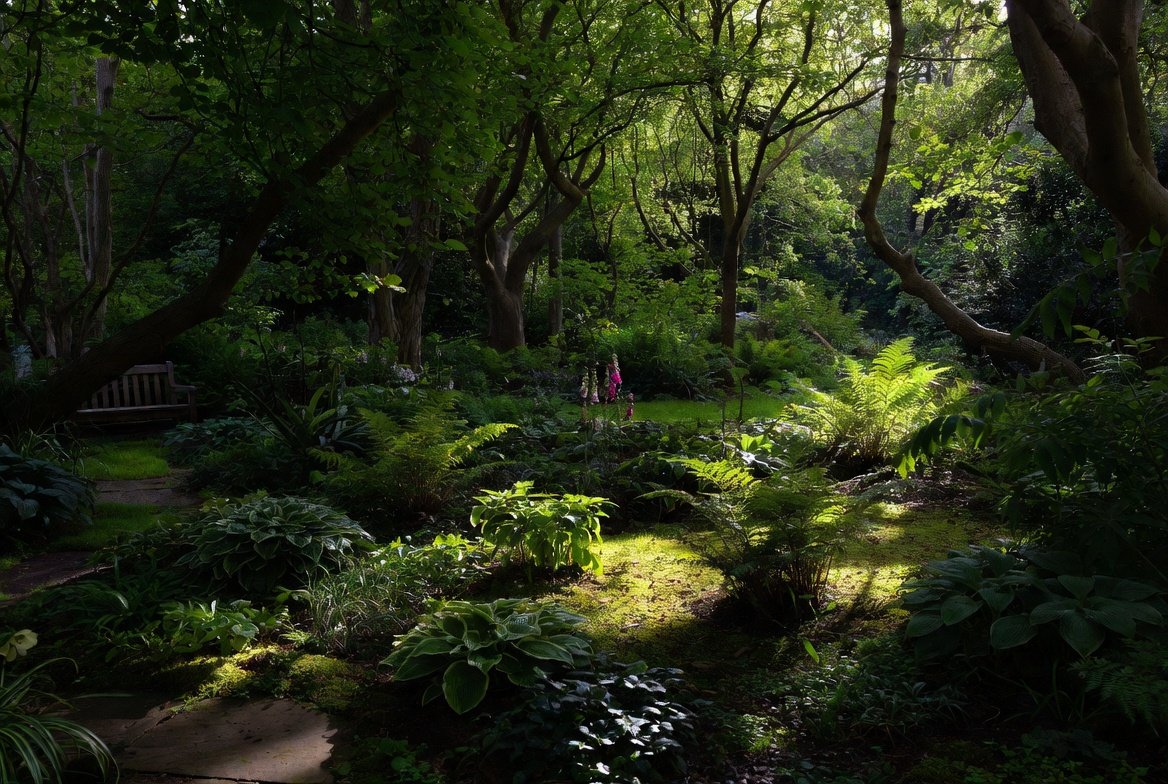
A north-facing garden is often treated as a problem to solve. It gets little direct sun, the soil stays cold in spring, and the lawn turns mossy. But the real issue isn’t the lack of sun; it’s the lack of the right plants. Putting sun-loving species in a shady border is a waste of money. They stretch, fade, and eventually give up. This is for anyone with a shady plot who is tired of replacing dead plants. Whether you have a damp border by the house or dry soil under a neighbour’s hedge, there are shade loving plants that will thrive there. The secret is matching the plant to the specific type of shade you have, not just the direction the garden faces.
The Soil Split: Damp vs. Dry Shade
Not all shade is equal. A north facing garden usually falls into two camps: damp shade and dry shade. Damp shade is common near buildings or on heavy clay soil where water drains slowly. The soil stays cold and wet in winter. Dry shade occurs under trees or hedges where the roots suck all the moisture out of the soil, leaving it parched even in winter. Planting a moisture-loving Hosta in dry shade is a death sentence. Planting a drought-tolerant Epimedium in a bog will rot its roots. Check your soil in summer. If it crumbles to dust a few inches down, you have dry shade. If it’s claggy and wet, you have damp shade.
| Condition | Location | Soil Feel (Summer) | Key Challenge |
|---|---|---|---|
| Damp Shade | Near walls, clay soil | Wet, heavy | Root rot in winter |
| Dry Shade | Under trees/hedges | Dry, dusty | Competition for water |
The Structure: Ferns and Spurgers
Every shady border needs a backbone. Ferns are the obvious choice, and for good reason. The Male Fern (Dryopteris filix-mas) is virtually indestructible, even in dry shade, and unfurls into a metre-wide shuttlecock of green. For damp shade, the Japanese Painted Fern (Athyrium niponicum) adds silvery fronds that catch what little light there is. But don’t stop at ferns. Euphorbia amygdaloides var. robbiae is one of the toughest full shade perennials. It produces lime-green flower heads in spring that glow in the dark corners of the garden. It spreads, but slowly, and it ignores drought.
The Colour Illusion: Whites and Blues
Reds and yellows look muddy and flat in shade. If you want colour, go for white, pale pink, or blue. These colours reflect light and seem to glow at dusk. For early summer, Dicentra spectabilis (now reclassified as Lamprocapnos) offers arching stems of white or pink heart-shaped flowers. For dry shade, Epimedium x versicolor ‘Sulphureum’ is a revelation. It produces delicate, spider-like flowers in pale yellow above new foliage that starts copper-red before turning green. It is one of the few shade loving plants that will grow under a beech hedge. In damp shade, Astilbe ‘Deutschland’ throws up fluffy white plumes in mid-summer that look like smoke.
The Ground Cover: Smothering Weeds
Shady soil often grows moss and weeds better than grass. The easiest fix is ground cover that smothers them. For dry shade plants, Geranium macrorrhizum is a workhorse. It forms a mat of aromatic foliage and pink or white flowers. It tolerates root competition from trees. In damp shade, Liriope muscari forms clumps of grassy foliage with spikes of purple flowers in autumn. If you have a north-facing wall, Trachelospermum jasminoides will cling on and produce intensely fragrant white flowers in summer, though it needs a sheltered spot to thrive in the UK.
The Reality Check: Soil and Expectations
You cannot change the aspect, but you can change the soil. Shady soil is often impoverished because tree roots steal the nutrients. Mulch heavily in autumn with well-rotted manure or garden compost. This feeds the soil and helps it retain moisture in dry shade, or improves drainage in damp clay. Do not dig it in heavily; just lay it on top and let the worms do the work. Be realistic. You will not grow roses or tomatoes. But you can grow a lush, green, structural garden that looks cool and calm in summer. In my experience, the gardens that succeed in shade are the ones that stop fighting the conditions and start planting what actually wants to live there.
Conclusion
You now know that shade is not a single problem but a split condition: dry or damp. In the next 10 minutes: go outside and push a trowel into your border. If it’s dry and dusty under a hedge, you have dry shade. If it’s wet and heavy, you have damp shade. Today: look up the specific plants mentioned above that match your soil type—Epimediums for dry, Astilbes for damp. This week: order a bulk bag of well-rotted manure to mulch the borders before the growing season starts. Stop trying to grow sun-loving plants for shady areas and switch to the species that will actually thrive. It saves money and it looks better.