Clay soil gets a bad reputation, but it isn’t all bad news. It can be sticky, slow to warm up and heavy to dig, yes. But it also holds nutrients and moisture better than sandy soil, which means plants can do very well once the structure improves.
This guide is for UK gardeners dealing with claggy borders, waterlogged lawns, compacted new-build soil, or vegetable beds that turn solid in summer. It’s not about quick fixes, because clay soil doesn’t change overnight. The aim is more realistic: make it easier to work, better drained, less compacted and healthier for plants.
The main rule is simple. Don’t fight clay when it’s wet. Work with it gradually, and it will improve.
How to Tell If You Have Clay Soil
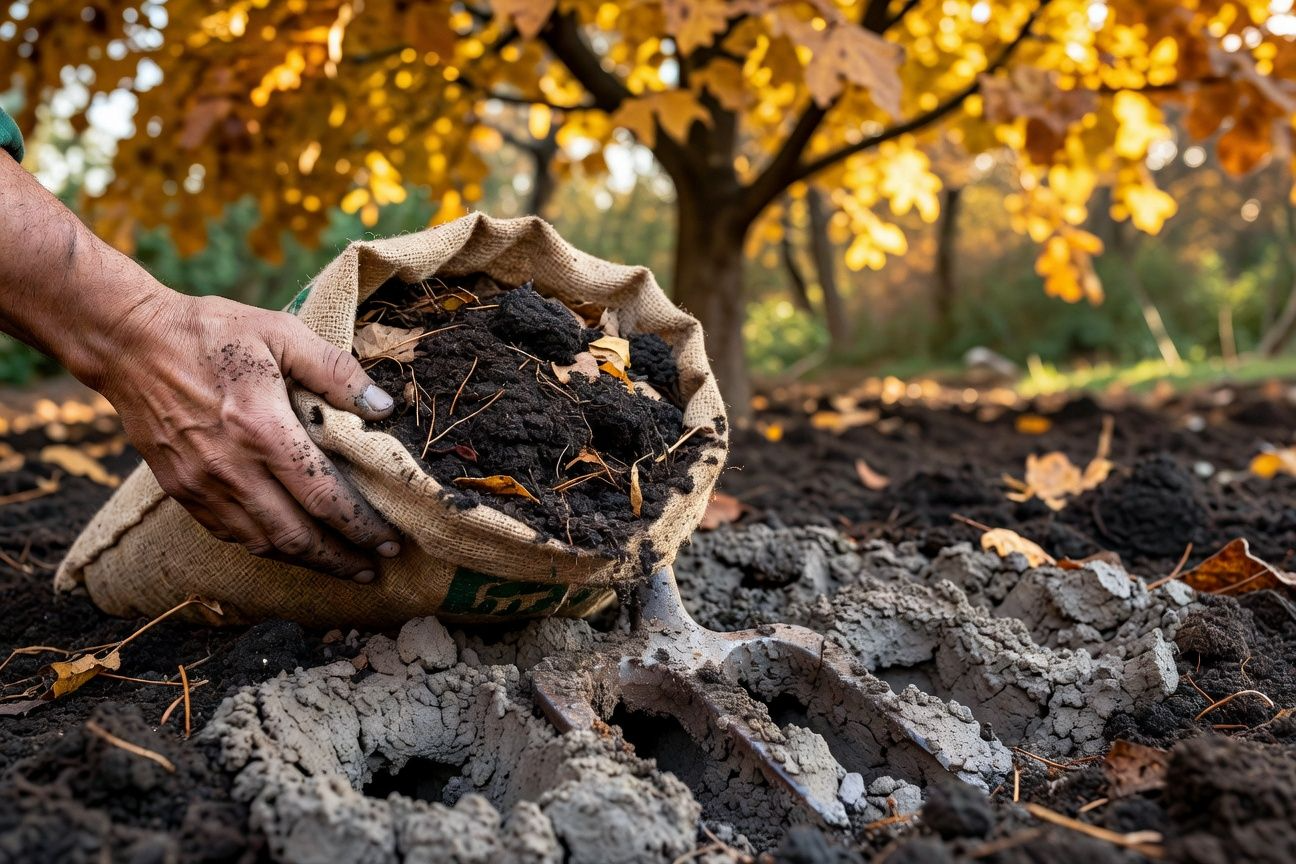
Clay soil usually makes itself known after rain. It sticks to boots, clumps around tools and forms heavy lumps when dug. In summer, it can bake hard and crack on the surface.
The easiest test is the squeeze test. Take a small handful of moist soil and roll it between your fingers. If it forms a smooth, sticky sausage that holds together, you’ve probably got clay. If it falls apart quickly, it’s more likely to be loam or sandy soil.
Clay particles are tiny, which is why the soil holds water so well. That’s useful in dry spells, but it also means water drains away slowly in winter. Roots need air as well as moisture, so plants can struggle if the soil stays wet for too long.
There’s a hidden upside, though. Clay soil is often fertile. Improve the structure, and you may end up with some of the best growing soil in the garden.
Don’t Dig Clay Soil When It’s Wet
The fastest way to make clay soil worse is to dig it when it’s wet. It may feel like you’re helping, but you’re usually smearing the soil, crushing air pockets and creating dense slabs that dry into hard lumps.
Wait until the soil is moist but not sticky. A good test is to press a lump between your fingers. If it crumbles, you can work it. If it smears like putty, leave it alone.
This is especially true in winter and early spring. UK gardens can stay wet for weeks, particularly on heavy clay or in low-lying areas. It’s frustrating, but patience saves work later.
If you need to access beds in wet weather, use boards to spread your weight. Compaction is a real problem on clay. Once it’s compacted, water sits on the surface and roots struggle to push through.
Add Organic Matter, Then Add More
Organic matter is the best long-term fix for clay soil. It helps clay particles clump together into a better structure, which lets air and water move through the soil more easily.
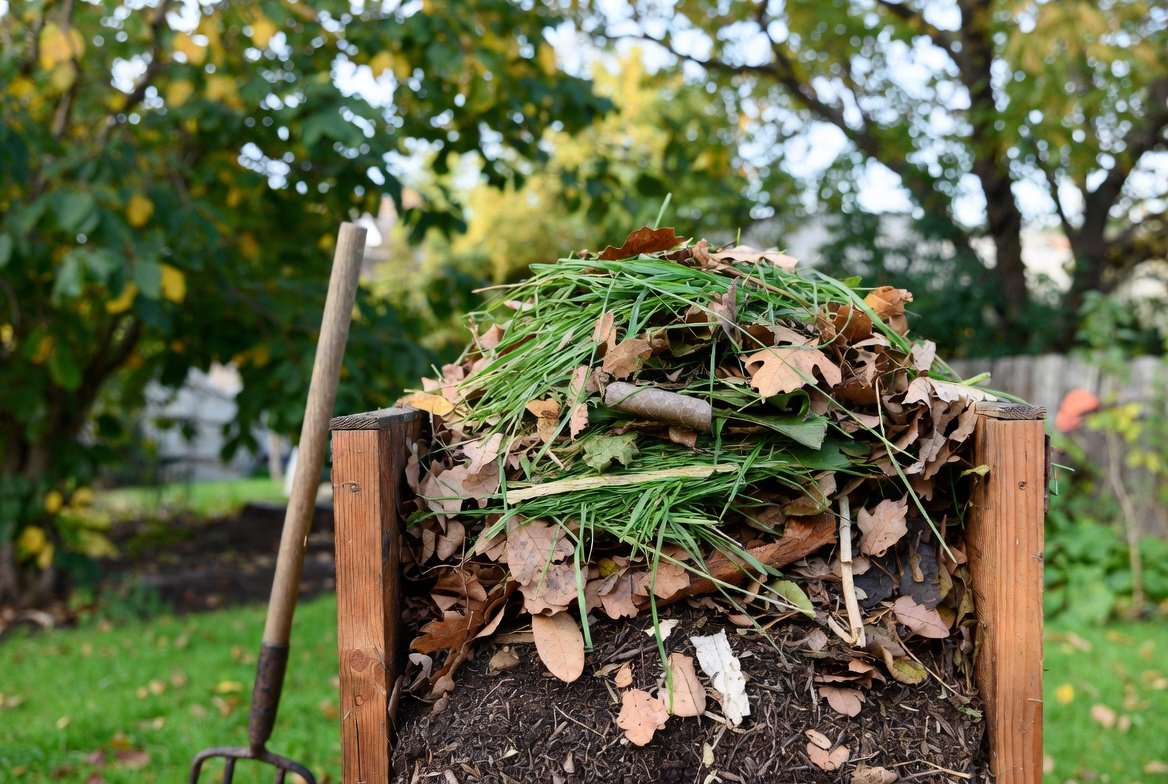
Use well-rotted manure, garden compost, leaf mould, composted bark, green waste compost or soil conditioner. Spread a layer over the surface and let worms and weather pull it down. You don’t need to double-dig every border.
For beds and borders, aim for a layer around 5cm deep once or twice a year if you can. Autumn is a good time because winter weather helps break it down. Spring also works, especially if you’re preparing vegetable beds or new planting areas.
The honest bit? You need more organic matter than you think. A few bags from the garden centre will help a small bed, but a large clay garden may need bulk deliveries over several years. This costs money, and it takes time.
What to Use on Clay Soil
Different materials help in slightly different ways. Some improve structure, some feed the soil, and some are better used as a surface mulch.
| Material | Best use | Watch out for |
|---|---|---|
| Garden compost | Beds, borders, vegetables | Quality varies if homemade |
| Well-rotted manure | Roses, shrubs, veg beds | Must be well rotted, not fresh |
| Leaf mould | Soil structure and mulching | Low in nutrients, slow to make |
| Composted bark | Borders and heavy soil | Better for structure than feeding |
| Green waste compost | Larger areas | Can be variable, check quality |
| Grit | Planting pockets and drainage mixes | Not a full-soil fix on its own |
| Spent mushroom compost | Improving beds | Often alkaline, avoid around acid-loving plants |
In my experience, the best clay soil improver is whatever good-quality organic matter you can get regularly and affordably. One perfect bag used once won’t beat ordinary compost applied every year.
Be Careful With Sand and Grit
Many gardeners are told to add sand to clay soil. This advice is often unhelpful.
A small amount of sand mixed into heavy clay can make the soil set harder, not looser. To properly change clay soil texture with sand, you’d need a very large quantity, far more than most gardeners can reasonably add. A token bag of sharp sand won’t do much.
Grit can be useful, but mainly in specific situations. It helps in planting holes for Mediterranean herbs, alpines or plants that hate wet roots. It can also improve potting mixes and small raised areas. But spreading a thin layer of grit over a heavy clay border won’t magically create free-draining soil.
The better approach is organic matter first. Improve the structure, protect the surface and avoid compaction. That’s less glamorous than a quick fix, but it works.
Should You Use Gypsum on Clay Soil?
Gypsum is sometimes recommended for clay soil, but it isn’t a universal solution. It can help certain clay soils, especially where sodium is causing poor structure, but that’s not the usual problem in most UK gardens.
For many home gardeners, gypsum gives disappointing results because the issue is not just chemistry. It’s compaction, low organic matter, poor drainage, building rubble, or soil that has been worked at the wrong time.
If you’re dealing with a serious drainage problem, don’t rely on gypsum as a miracle treatment. Improve the soil, lift planting areas where needed, and check whether water has somewhere to go.
Most gardens don’t need fancy soil products. They need compost, mulch, patience and fewer boots on wet beds.
Improve Drainage Without Ruining the Soil
Clay soil drains slowly by nature, but you can still make it behave better. Start by checking where the water goes after heavy rain. If it sits in one corner for days, the issue may be more than soil texture.
In borders, adding organic matter and avoiding compaction will help. In vegetable beds, raised beds can make a big difference because the growing area sits above the wettest ground. Even a modest raised bed can warm up faster in spring and drain better after heavy rain.
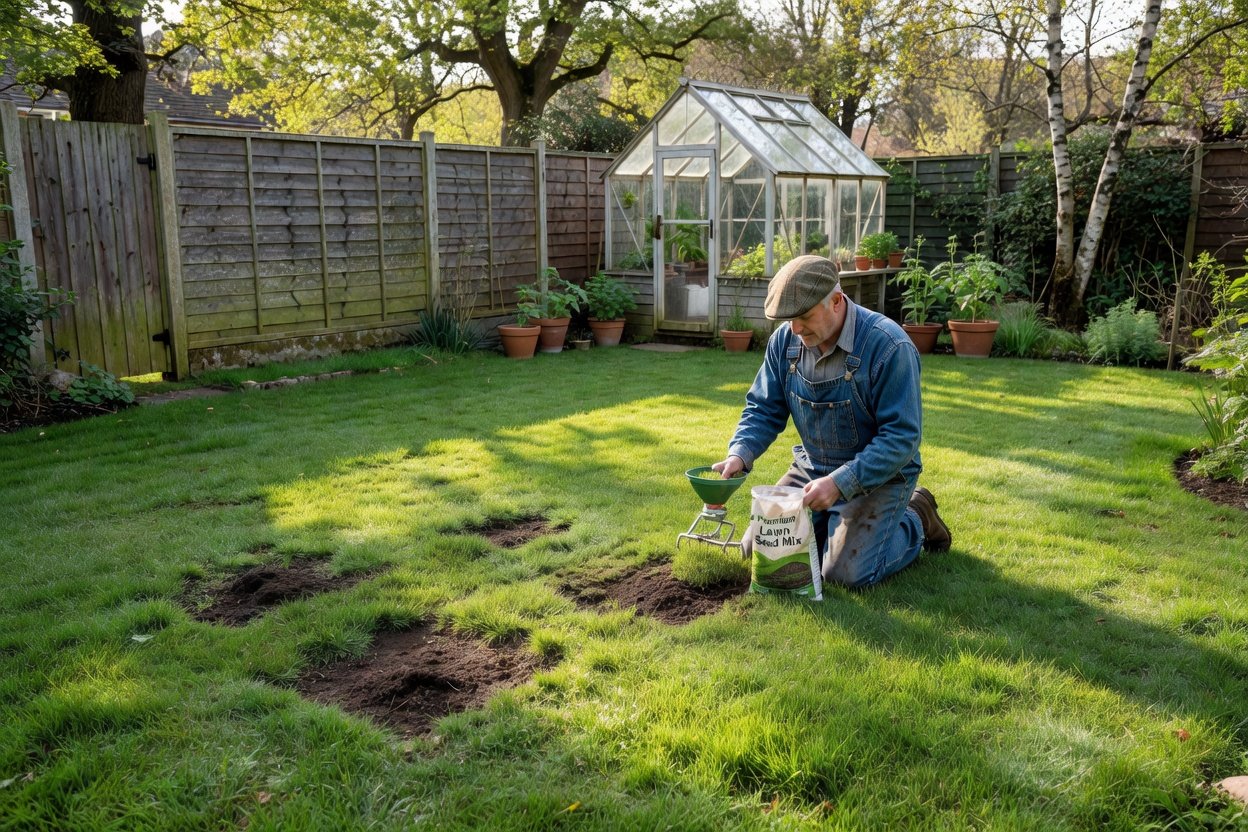
For lawns on clay, aeration can help. Use a garden fork or hollow-tine aerator to make holes, then brush in a lawn top dressing if needed. Don’t aerate when the ground is sodden. You’ll just make a mess.
If water is pooling near the house, paths or patios, take it seriously. That may need proper drainage work rather than gardening tweaks.
Choose Plants That Cope With Clay
Improving clay soil is sensible, but plant choice matters too. Some plants are naturally better at coping with heavier ground.
Good choices for clay include roses, hardy geraniums, heleniums, asters, daylilies, foxgloves, rudbeckias, dogwood, viburnum, hawthorn and many fruit trees. For wetter clay, try plants such as ligularia, persicaria, astilbe and certain irises.
Avoid putting dry-loving Mediterranean plants straight into unimproved heavy clay. Lavender, rosemary and thyme may survive for a while, but they often struggle through wet winters. If you want to grow them, use raised beds, gravelly planting areas or pots with free-draining compost.
Vegetables can do well on improved clay, especially brassicas, beans, peas, courgettes and potatoes. Carrots and parsnips are trickier if the soil is stony or compacted, as roots may fork.
Use Mulch to Protect the Surface
Clay soil can form a hard crust after rain, especially if left bare. Mulch helps protect the surface from heavy rain, reduces cracking in dry weather and feeds the soil as it breaks down.
Spread mulch around plants in spring or autumn. Keep it a little away from stems and crowns so damp material doesn’t sit against them. Well-rotted manure, garden compost, bark and leaf mould all work.
Mulching also reduces weeding. That matters because hoeing or walking on wet clay can damage the soil structure. Less disturbance is often better.
If you’re growing vegetables, cover bare soil over winter. Use compost, cardboard, green manure or a temporary cover. Empty clay soil takes a battering from winter rain.
Fixing New-Build Clay Soil
New-build gardens often have the worst clay soil because the topsoil has been stripped, moved, compacted and mixed with rubble. If your garden is new and the lawn squelches for weeks, you’re not imagining it.
Start by removing obvious rubble from planting areas. Then open up compacted ground with a garden fork, working in sections. Don’t bring up huge lumps and leave them to bake hard. Add organic matter generously and repeat each year.
For borders, consider creating slightly raised planting areas rather than trying to plant into compacted subsoil. For lawns, you may need repeated aeration and top dressing. In bad cases, it may be worth getting professional advice before spending money on plants that will sit in wet, airless ground.
This is the high-friction reality: badly compacted clay can take several seasons to improve. One weekend won’t fix it.
A Simple Plan for Improving Clay Soil
If you do nothing else, focus on three things: don’t work it wet, add organic matter, and keep the surface covered. Those steps solve more problems than most quick-fix products.
Next 10 minutes: do the squeeze test. If the soil smears and sticks, don’t dig today. Mark the wettest and most compacted areas instead.
Today: choose one bed or border to improve first. Clear weeds, remove obvious rubble, and spread a 5cm layer of compost, well-rotted manure or soil conditioner over the surface.
This week: make a plan for paths or stepping stones so you’re not walking on wet beds. If you’re planting soon, choose clay-tolerant plants and improve the whole planting area rather than just filling individual holes with compost.
Clay soil asks for patience, but it gives plenty back. Treat it gently, feed it regularly and stop compacting it, and it will become easier to work every year. You won’t turn it into sandy soil, and you don’t need to. Good clay, improved properly, can grow superb plants.