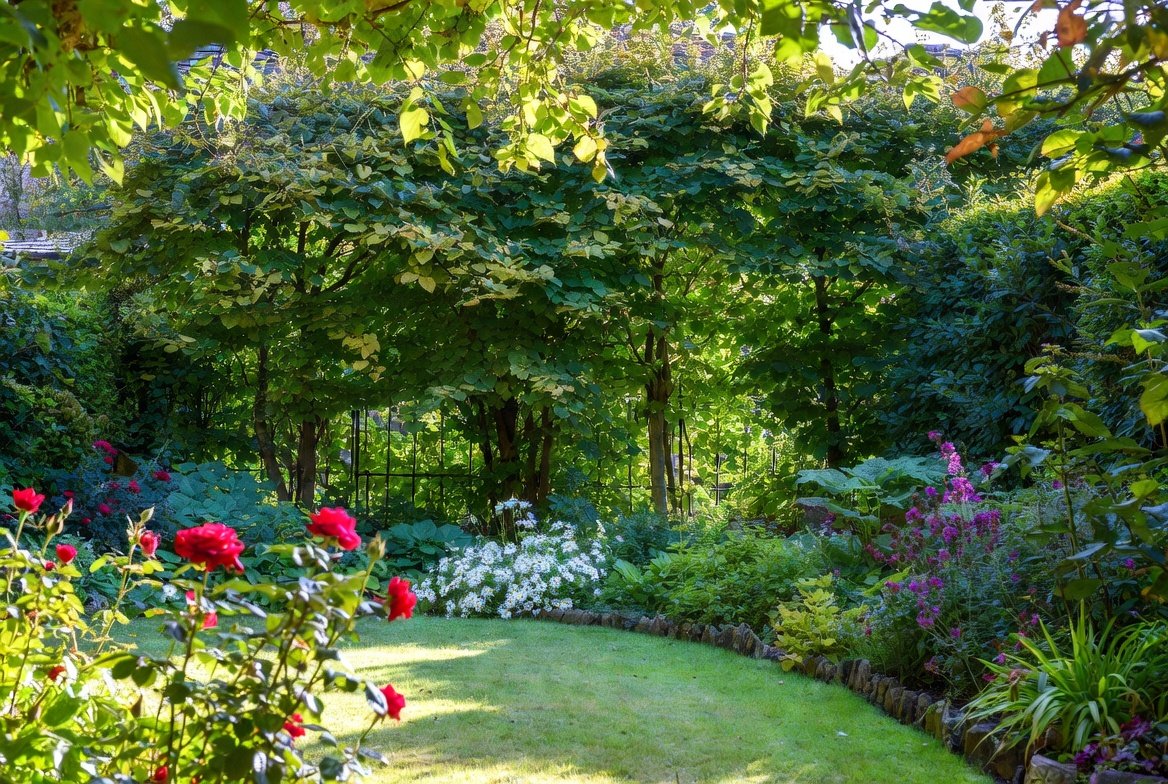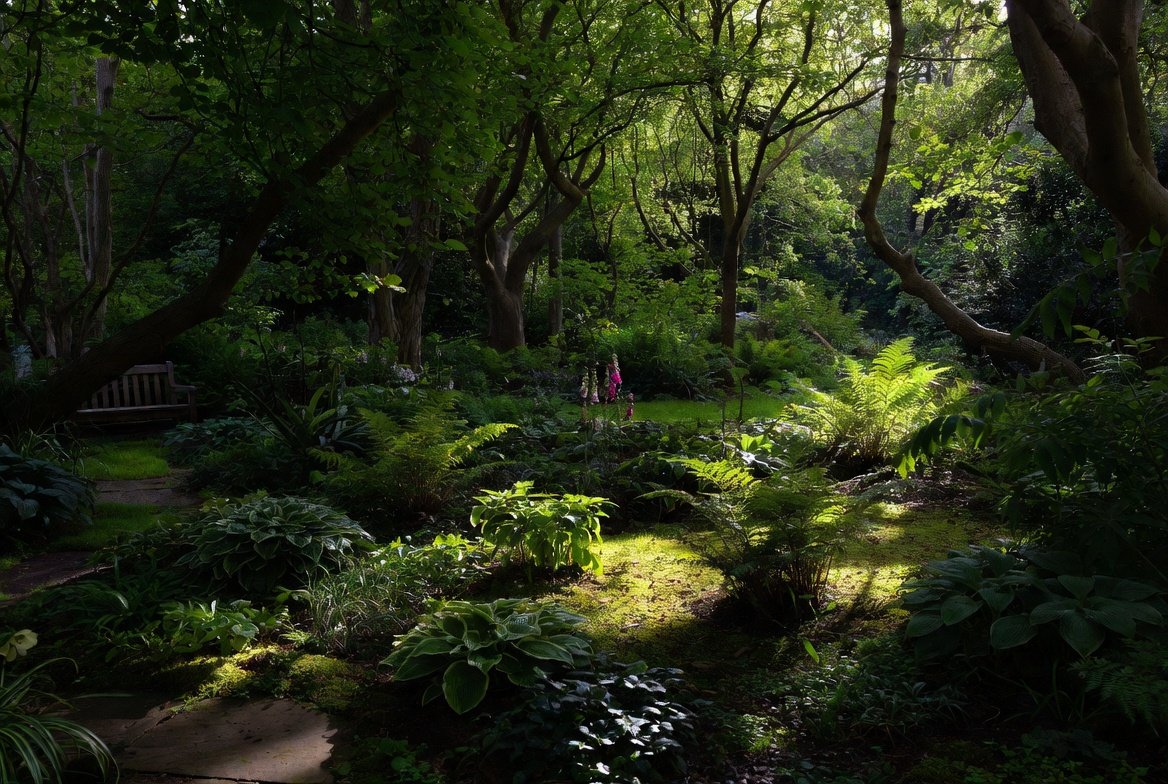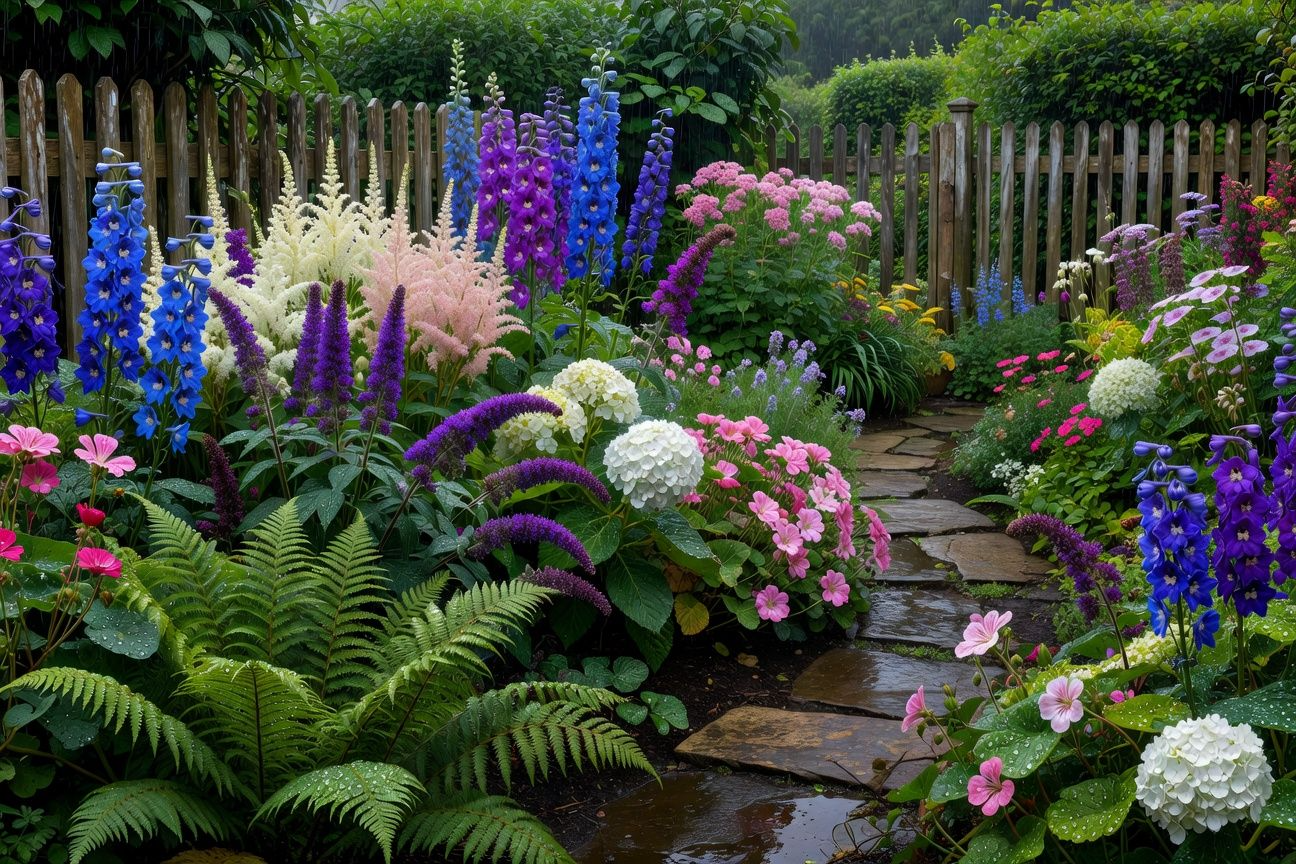
A colourful border is rarely built from colour alone. The gardens that look good for months usually have a mix of early bulbs, reliable perennials, a few annuals, and plants with decent leaves once the flowers fade.
This guide is for UK gardeners who want brighter borders without starting again from scratch. It’s for cottage gardens, front gardens, new-build strips, clay borders, sunny fences, and awkward corners that need more life. It’s not a show-garden planting plan. Real borders have gaps, slug damage and the odd plant that refuses to behave.
The aim is simple: choose flowers that give you colour across the year, not just one glorious week in June.
Start With the Border You Actually Have
The best flowers for your border depend on light, soil and how much time you’ll spend watering. A sun-baked border beside a south-facing wall needs different plants from a damp, semi-shaded bed under a fence.
Full sun suits plants such as salvias, lavender, achillea, geums, rudbeckia, dahlias and catmint. Partial shade is better for foxgloves, hardy geraniums, astrantia, hellebores, Japanese anemones and some campanulas. If your soil is heavy clay, choose tough plants such as heleniums, asters, daylilies and persicaria rather than Mediterranean plants that hate wet winter roots.
Here’s the surprise: too many flower colours can make a border look weaker, not stronger. A border with ten unrelated colours often feels bitty. A border with three main colours, repeated down the bed, usually looks more generous.
A Quick Decision Guide for Colourful Borders
Before buying plants, decide what job each flower needs to do. Some give early colour. Some carry summer. Some hold the border together when everything else has gone over.
| Plant | Best position | Flowering season | Why it earns its space |
|---|---|---|---|
| Tulips | Sun, well-drained soil | Spring | Strong early colour in gaps between perennials |
| Geums | Sun or partial shade | Spring to early summer | Warm orange, red or yellow flowers before summer peaks |
| Hardy geraniums | Sun or partial shade | Late spring to summer | Reliable ground cover with long flowering |
| Salvias | Full sun | Summer to autumn | Rich colour and good drought tolerance once settled |
| Dahlias | Full sun | Summer to first frosts | Big impact, especially in late summer |
| Rudbeckias | Sun | Late summer to autumn | Bright yellow and gold when borders start to fade |
| Asters | Sun or light shade | Autumn | Late colour and useful for pollinators |
| Hellebores | Partial shade | Winter to spring | Early flowers when little else is moving |
I usually recommend choosing two dependable perennials first, then adding bulbs and annuals around them. It’s less exciting at the garden centre, but it makes a better border.
Spring Flowers That Start the Border Early
Spring colour matters because it stops a border looking bare until June. Bulbs are the easiest way to do this, especially if you plant them between perennials that will hide the fading leaves later.
Daffodils are dependable in most UK gardens and return better than many tulips. Choose smaller varieties such as ‘Tête-à-Tête’ for the front of a border, or taller types for the middle. Crocus, muscari and scilla work well at the front, especially where you want a softer, natural look.
Tulips give stronger colour, but they can be less reliable year after year in damp soil. Treat them as semi-permanent rather than guaranteed. Plant in November where possible, in well-drained soil, and avoid spots that sit wet through winter.
For early perennial colour, use hellebores in partial shade and pulmonaria under shrubs or along a shaded edge. They’re not loud plants, but they bridge the gap between winter and the main growing season.
Early Summer Flowers for a Fuller Border
Late spring and early summer are when the border starts to knit together. This is where hardy geraniums, geums, alliums, lupins, aquilegias and foxgloves can do a lot of work.
Hardy geraniums are one of the safest choices for UK borders. They spread politely, cover bare soil and flower for weeks. Some varieties can be cut back after flowering to encourage fresh leaves and a second flush.
Geums are useful because they bring warm colour early. Orange, red and yellow varieties sit well with purples and blues, especially alliums, catmint and salvias. They’re also compact enough for smaller gardens.
Foxgloves are brilliant in partial shade and cottage-style planting. Many are biennial, which means they grow leaves in the first year and flower in the second. Let a few self-seed if you like a relaxed look, but pull extras out before they take over.
High-Summer Flowers With Real Staying Power
Summer borders need plants that can cope with dry spells, heavy rain and the usual British stop-start weather. Salvias, catmint, achillea, roses, cosmos and penstemons are all strong choices in the right position.
Salvias are excellent for long colour in sunny borders. The deep blues and purples work well with pale pinks, whites, oranges and soft yellows. They also look good with ornamental grasses, which keep the border from feeling too stiff.
Catmint is a workhorse. It spills over edges, flowers for a long time and suits bees. Cut it back after the first main flush and it often comes again. It can look untidy for a week or two after cutting, but it recovers.
Cosmos is one of the easiest annuals for filling gaps. Sow it in spring, plant it out after frosts, and it will flower for months if you keep picking or deadheading. It’s especially useful in newer borders where young perennials haven’t filled out yet.
Late-Summer and Autumn Flowers That Keep the Colour Going
A lot of borders collapse visually in August. That’s not because the garden has failed. It’s because too many people buy plants in May, when garden centres are full of early-summer performers.
For late colour, plant dahlias, rudbeckias, heleniums, asters, sedums and Japanese anemones. These plants carry the border when spring and early-summer flowers have finished.
Dahlias are hard to beat for impact. They flower from summer until the first frosts, and the colour choices are huge. The honest catch is that they need more care than many perennials. You may need to stake them, deadhead them, water them in dry spells and protect the tubers over winter.
Rudbeckias and heleniums bring warm autumn colour without quite as much fuss. Asters, now often sold as Symphyotrichum, are excellent for cooler purples, blues and pinks. Sedums, especially Hylotelephium types, give late flowers and good structure.
Flowers for Shade and Awkward Corners
Shade doesn’t mean no colour, but it does change the palette. You’ll usually get softer colour rather than blazing summer heat.
For partial shade, try astrantia, foxgloves, hardy geraniums, hellebores, Japanese anemones, campanulas and primroses. These plants cope with cooler, less sunny borders and still give plenty back. If the shade is dry, such as under trees, you’ll need tougher plants and better soil preparation.
Astrantia is especially good in light shade with moisture-retentive soil. It has neat flowers, good foliage and a gentle habit that suits cottage gardens. Japanese anemones are valuable later in the season, though some varieties can spread more than expected.
The high-friction reality is that dry shade is one of the hardest jobs in gardening. You may need to improve the soil, water new plants through their first year, and accept slower growth. Plants aren’t furniture. They need time to settle.
How to Combine Colours Without Making a Mess
The simplest colour plan is to choose one main colour, one support colour and one neutral. For example, purple with soft yellow and white. Or pink with blue and silver foliage. Or orange with burgundy and cream.
Repeat the same plant or colour every metre or so along a longer border. This makes the planting feel intentional rather than random. You don’t need military precision, just a rhythm the eye can follow.
Foliage is the bit many beginners ignore. Silver leaves from stachys, grey-green lavender, bronze fennel, dark heucheras or fresh green alchemilla can make flowers look better. When flowers fade, leaves keep the border presentable.
Also think about height. Put low plants such as geraniums, alchemilla and smaller salvias near the front. Use mid-height plants like geums, penstemons and rudbeckias through the middle. Taller plants such as foxgloves, verbena, dahlias and delphiniums belong further back, unless you want a more relaxed, see-through effect.
The Best Low-Effort Flowers for UK Borders
If you want colour without constant work, choose plants that don’t need staking, lifting or daily attention. Hardy geraniums, geums, catmint, astrantia, sedums, rudbeckias, hellebores and many salvias are good starting points.
Avoid filling the border entirely with high-maintenance plants. Delphiniums are beautiful, but they often need staking and slug protection. Dahlias are wonderful, but they need winter decisions. Sweet peas are lovely, but they need picking and tying in.
This costs money too. A two-litre perennial from a garden centre can easily cost several pounds, and a full border takes more plants than people expect. If budget matters, buy smaller plants, grow annuals from seed, divide perennials, and accept that the border may take two or three seasons to look full.
That’s normal. Gardens are slow projects.
A Simple Planting Recipe for Colourful Borders
If you’re starting with a sunny border, use this as a loose recipe: spring bulbs, hardy geraniums, geums, salvias, catmint, rudbeckias, asters and a few dahlias for late drama. Add cosmos in the first year to fill gaps while perennials establish.
For partial shade, try hellebores, foxgloves, astrantia, hardy geraniums, Japanese anemones, campanulas and spring bulbs. Add ferns or heucheras if you need more leaf texture.
For a smaller front garden, keep the plant list shorter. Repetition matters more in a small space. Three geums, three salvias and a ribbon of spring bulbs will look calmer than one of everything.
What to Do Next
Next 10 minutes: look at your border and work out how much sun it gets. Full sun, partial shade and dry shade need different flowers.
Today: choose a simple colour plan. Pick three main colours at most, then decide which season needs the most help.
This week: buy or order a small group of reliable plants rather than lots of single impulse buys. Add spring bulbs in autumn, annuals after frost, and perennials when the soil is workable.
The best flowers for colourful borders are not always the flashiest ones on the bench. They’re the plants that suit your soil, return reliably, flower at different times and still look decent when the weather turns. Get that mix right, and your border will feel colourful for months rather than days.