Growing tomatoes looks simple until you’re staring at leggy seedlings, yellow leaves, split fruit, or a plant that has produced lots of greenery and no actual tomatoes. Don’t worry. Most beginner tomato problems come from the same few things: sowing too early, planting out too soon, using pots that are too small, or watering all over the place.
This guide is for UK gardeners growing tomatoes for the first time in a greenhouse, on a patio, in a raised bed, or against a sunny wall. You don’t need specialist kit. You do need warmth, light, decent compost, regular water and a little patience.
What you’ll get here is a simple route through the choices: which tomato to grow, when to sow, where to plant it, how to feed it, and what to do when the plant starts behaving like a jungle.
Start With the Right Type of Tomato
The first choice is not red, yellow, cherry or beefsteak. Secondly bush or cordon.
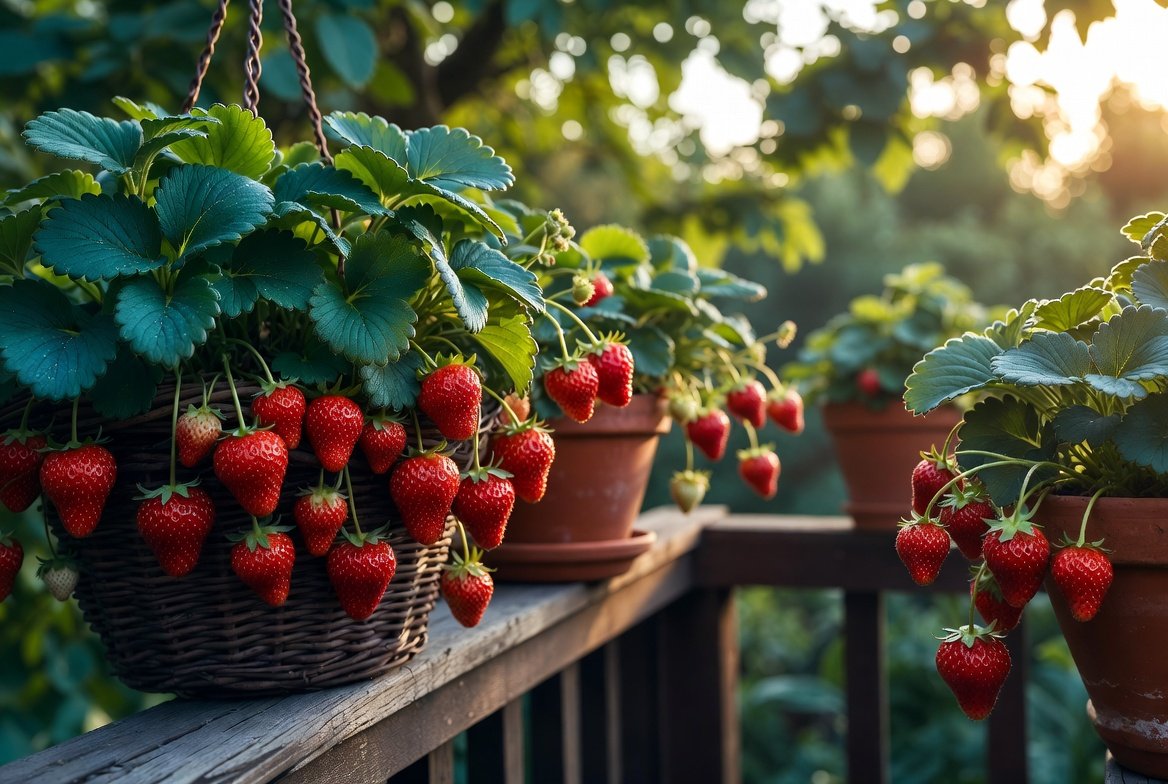
Bush tomatoes, also called determinate tomatoes, grow to a more compact size and don’t usually need side-shooting. They’re good for pots, hanging baskets, small patios and beginners who don’t want too much faff. Varieties such as ‘Tumbling Tom’, ‘Totem’ and ‘Red Alert’ are popular for small spaces.
Cordon tomatoes, also called indeterminate tomatoes, grow tall and need support. You remove the side shoots, tie the plant in, and usually stop it later in the season so the fruit can ripen. Many greenhouse and outdoor varieties are cordons, including ‘Gardener’s Delight’, ‘Sungold’, ‘Alicante’ and ‘Moneymaker’.
In my experience, beginners often do better with one bush tomato and one cordon tomato. You learn both styles without turning the patio into a tomato farm.
Quick Decision Guide: Which Tomato Should You Grow?
Choose the plant to match your space first. The variety name matters, but the growing habit matters more.
| Your situation | Best choice | Why it suits beginners |
|---|---|---|
| Small patio or balcony | Bush cherry tomato | Compact, easy to manage, good in pots |
| Greenhouse | Cordon tomato | Warmer conditions, longer season, better ripening |
| Sunny wall outdoors | Outdoor cordon or bush type | Uses warmth from the wall and saves space |
| Hanging basket | Trailing bush tomato | No staking and easy picking |
| Raised bed | Cordon or compact bush | Good root space if soil is fertile |
| Very busy gardener | Bush tomato | Less pruning and tying in |
If you only grow one tomato plant, choose a cherry type. They usually ripen faster, crop well, and forgive small mistakes better than large beefsteak tomatoes.
When to Sow Tomatoes in the UK
For most UK gardeners, March to early April is the sensible time to sow tomato seeds indoors. You can sow earlier if you have a heated greenhouse or grow lights, but windowsill seedlings sown in January often become thin, pale and awkward before it’s warm enough to plant them out.
Tomato seeds need warmth to germinate. A temperature around 18–21°C is ideal, so a bright windowsill above a radiator can work, though seedlings should be moved somewhere cooler and brighter once they appear. Too much warmth and not enough light makes them leggy.
Sow seeds in small pots or trays of peat-free seed compost. Cover lightly, water gently, and keep the compost moist but not soaking. Once seedlings have their first true leaves, move them into individual pots.
The surprise is that later sowings often catch up. A strong tomato plant sown in late March can beat a weak one sown six weeks earlier.
Growing Tomatoes From Young Plants
Buying young tomato plants is perfectly fine. In fact, it’s often the easiest way to start if you only want a few plants.
Look for short, sturdy plants with healthy green leaves. Avoid plants that are already flowering in tiny pots, especially if they look stressed. They may crop, but they’ve often had a rough start.
Before planting outside, young tomatoes need hardening off. This means getting them used to outdoor conditions gradually over a week or two. Put them outside during the day in a sheltered spot, then bring them in at night until the risk of frost has passed.
In much of the UK, tomatoes go outside from late May to early June. Colder areas may need to wait longer. A single late frost can ruin the lot.
Where to Grow Tomatoes
Tomatoes need sun. Aim for the warmest, brightest, most sheltered spot you have.
A greenhouse gives the best results in many parts of the UK because it adds warmth and protects plants from heavy rain. That matters because wet leaves and cooler late-summer weather can encourage blight, especially outdoors. A polytunnel works well too.
Outdoors, choose a south-facing wall, sunny patio, or sheltered raised bed. Avoid windy corners where plants dry out quickly and stems get damaged. Tomatoes like warmth, but they don’t enjoy being battered.
If you’re using pots, go bigger than you think. A 10-litre pot is possible, but 20 litres or more is kinder and easier to manage. Small pots dry out fast, and dry roots cause problems later.
Pots, Grow Bags or Beds?
Tomatoes will grow in pots, grow bags and beds, but each option has a different level of effort.
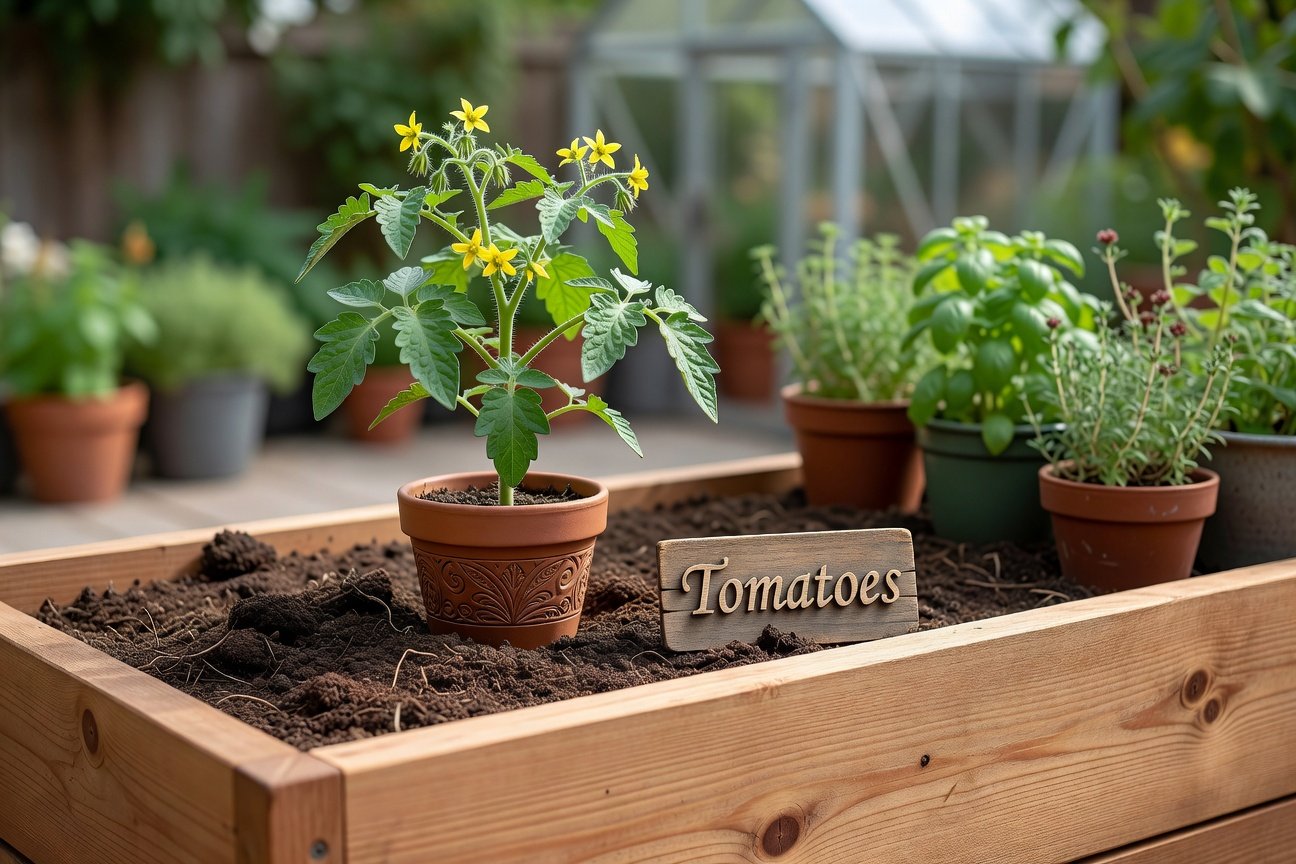
Pots are flexible and ideal for patios. Use a large container with drainage holes and good peat-free multi-purpose compost. Add a cane, stake or tomato support when you plant, not after the roots have filled the pot.
Grow bags are convenient, but they don’t hold much compost per plant. If you use one, limit it to two tomato plants rather than three. Better still, use grow bag pots or bottomless pots on top to give the roots more room.
Beds and greenhouse borders give tomatoes more root space, but the soil needs feeding and improving each year. Don’t keep growing tomatoes in exactly the same greenhouse border year after year without refreshing the soil, because pests and diseases can build up.
The high-friction reality is watering. Tomatoes in pots and grow bags may need watering every day in hot weather, sometimes twice a day in a greenhouse.
How to Plant Tomatoes Properly
Plant tomatoes deeply. This is one of the small tricks that helps.
Tomato stems can produce extra roots if buried, so you can plant them a little deeper than they were in the pot. Remove the lowest leaves if needed and bury part of the stem. This gives the plant a stronger root system.
Space plants properly. Cordon tomatoes usually need around 45–60cm between plants, depending on variety and growing setup. Crowding them reduces airflow and makes watering, tying and picking more annoying.
Water well after planting, then let the plant settle. Don’t start heavy feeding straight away. The plant needs to root into its new home first.
Watering Tomatoes Without Causing Problems
Tomatoes like steady moisture. They hate extremes.
If compost dries out completely and then gets soaked, fruit can split. Irregular watering can also contribute to blossom end rot, where the base of the fruit turns dark and sunken. It looks like a disease, but it’s often linked to poor calcium movement in the plant, usually made worse by inconsistent watering.
Water at the base of the plant, not over the leaves. Morning is best if you can manage it. In a greenhouse, try to keep the air moving too, because still, damp air invites trouble.
A simple test works well: push a finger into the compost. If it’s dry a few centimetres down, water. If it’s still damp, wait.
Feeding Tomatoes
Once the first tiny fruits start to form, begin feeding with a tomato feed. Follow the instructions on the bottle. More feed is not better.
Tomato feed is usually high in potassium, which supports flowers and fruit. If you use too much nitrogen-rich feed, you may get large leafy plants with fewer tomatoes. That’s frustrating, and it’s common.
Feed regularly, especially in containers, because watering washes nutrients through the compost. Greenhouse and pot-grown tomatoes depend on you more than plants in open ground.
Yellowing lower leaves are normal as the plant ages, but widespread yellowing can mean poor feeding, poor watering, cold conditions, or tired compost. Don’t guess wildly. Check the basics first.
Supporting and Pruning Tomato Plants
Cordon tomatoes need support. Use canes, strings, spiral supports, or a greenhouse frame. Tie stems gently with soft twine or plant clips, leaving room for the stem to thicken.
Remove side shoots from cordon tomatoes. These appear in the joint between the main stem and a leaf. Pinch them out while they’re small, because large ones leave bigger wounds and steal energy from the main plant.
Bush tomatoes are different. Do not routinely remove side shoots from bush types, because that’s where much of the fruit forms. This is where beginners often go wrong.
Later in the season, usually around August outdoors, stop cordon tomatoes by pinching out the growing tip above the top truss you expect to ripen. The plant then puts more energy into existing fruit rather than making flowers that won’t have time to mature.
Common Tomato Problems
Blight is the one that worries UK gardeners most. It usually appears in warm, damp weather and can spread quickly, causing brown patches on leaves, stems and fruit. Outdoor tomatoes are more exposed, especially in wet summers.
Good airflow helps. Don’t cram plants together, remove lower leaves once plants are established, and avoid wetting foliage. If blight hits badly, remove affected material and don’t compost diseased plants in a cool home compost heap.
Whitefly can be a greenhouse nuisance. You may see tiny white insects lifting from the leaves when disturbed. Yellow sticky traps help monitor them, and good hygiene matters.
Poor fruit set can happen if temperatures are too low, too high, or if plants are stressed. In a greenhouse, tap flower trusses gently to help pollen move. Keep watering steady and ventilate on hot days.
Harvesting Tomatoes
Pick tomatoes when they’re fully coloured and slightly soft. Cherry tomatoes are usually ready first, which is one reason they’re so satisfying for beginners.
At the end of the season, remove green tomatoes before frost. Some will ripen indoors on a windowsill or in a paper bag with a ripe banana. Others can be used green in chutney.
Don’t leave ripe fruit hanging for too long. Regular picking encourages the plant to keep going, and it also reduces splitting and pest damage.
Homegrown tomatoes rarely look as uniform as supermarket ones. That’s fine. The flavour is the point.
A Simple Beginner Tomato Plan
If you’re new to tomatoes, keep it small in year one. Three healthy plants will teach you more than twelve neglected ones.
Next 10 minutes: choose your growing spot. Look for sun, shelter and easy access to water. If it’s awkward to water, you’ll regret it in July.
Today: decide on one bush cherry tomato and one cordon tomato. If you’re starting from seed, sow indoors in March or early April. If it’s later, buy young plants instead.
This week: get large pots, peat-free compost, canes or supports, and tomato feed ready before the plants need them. Don’t wait until the stems are flopping about.
Growing tomatoes is mostly about rhythm: warmth early on, careful planting, steady watering, regular feeding, and the right pruning for the type you’ve chosen. Start with a few plants, give them enough root space, and don’t sow too early. Once you’ve picked your first warm cherry tomato straight from the plant, you’ll understand why gardeners keep growing them even after the occasional disaster.