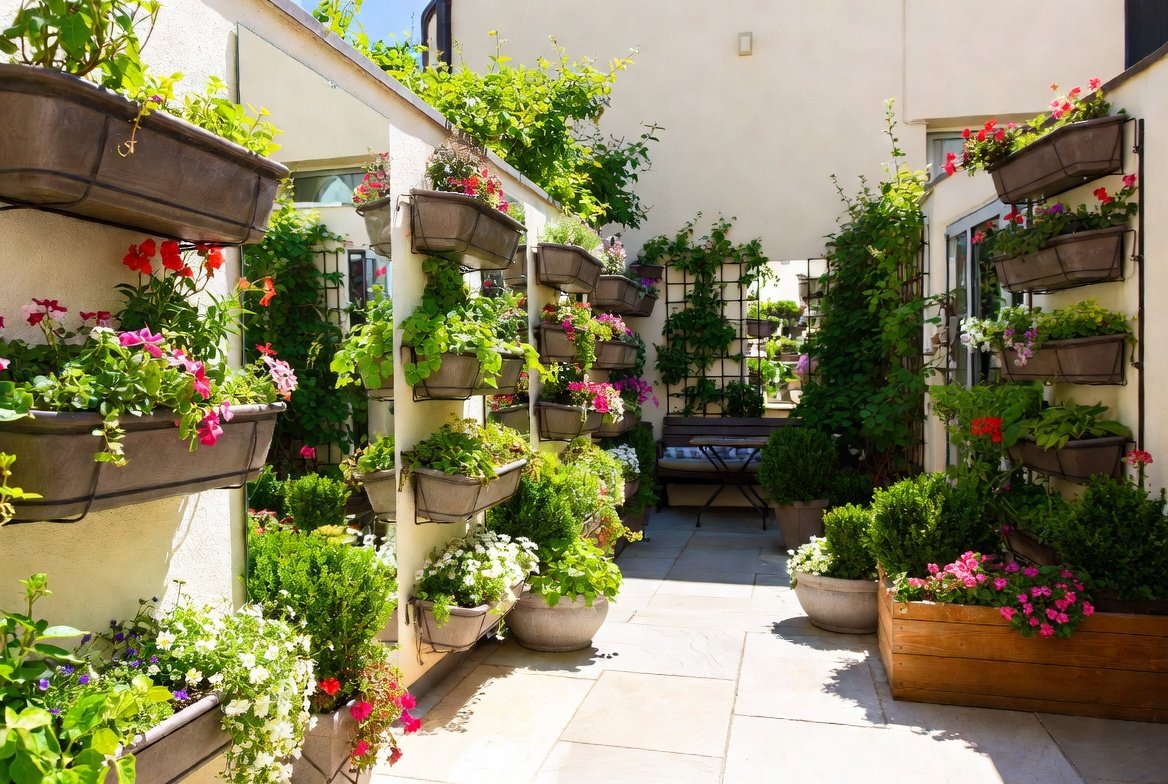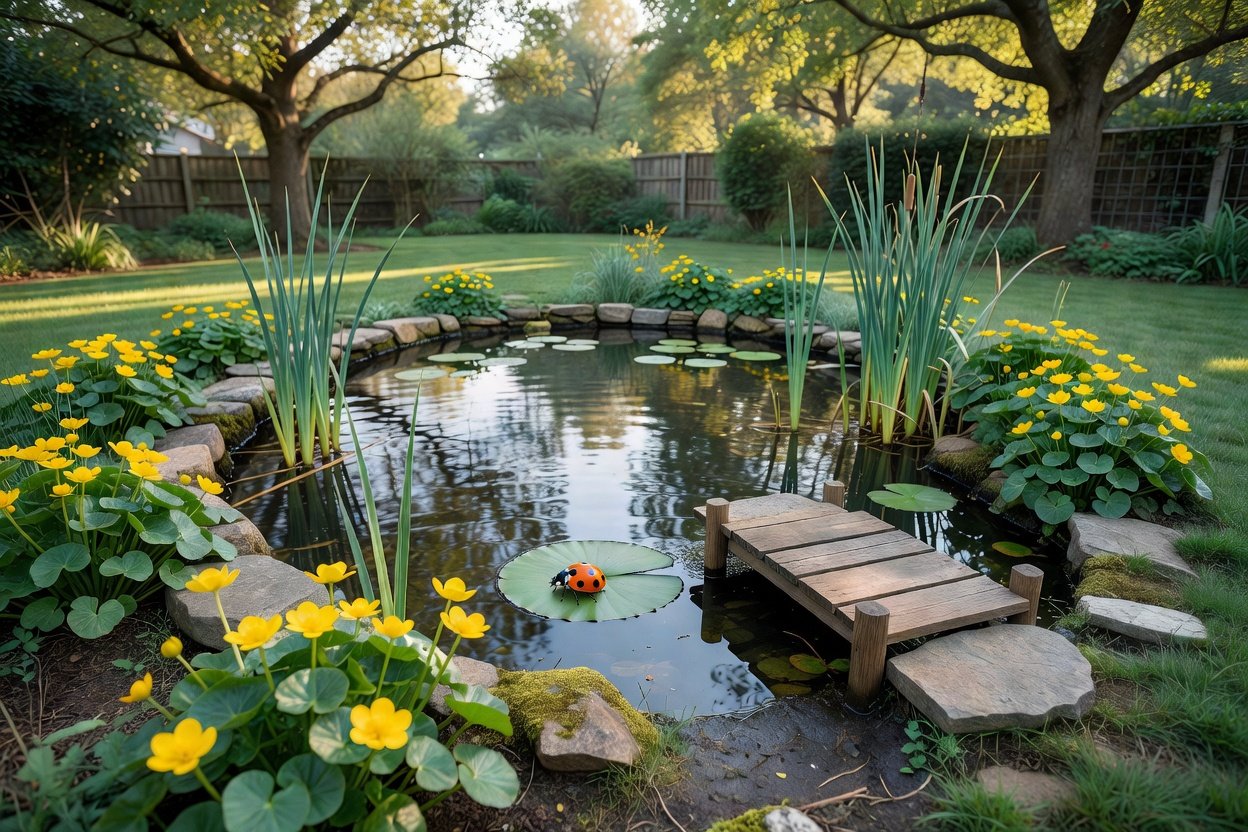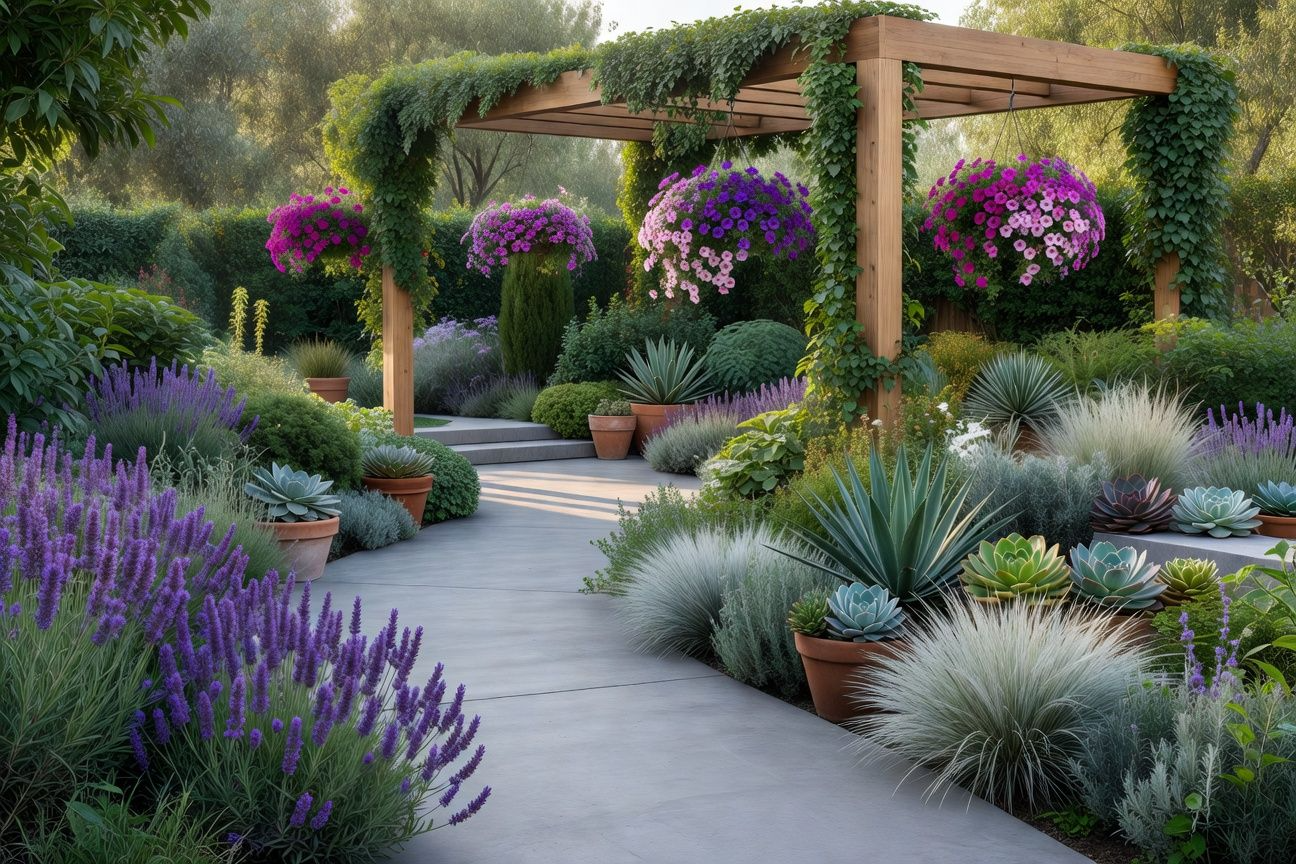
A low-maintenance garden is not a garden you never touch. That’s the first thing to get straight. It’s a garden designed so the regular jobs are smaller, easier and less urgent.
This guide is for busy UK homeowners who want an outdoor space that looks cared for without needing every spare Saturday. It’s especially useful if you have a full-time job, children, pets, a new-build garden, an awkward lawn, or borders that get away from you by June.
The aim is simple: fewer weeds, less watering, less mowing, less pruning, and more plants that quietly get on with it.
Start by Reducing the Jobs You Hate
The best low-maintenance garden starts with honesty. If you hate mowing, don’t design a garden around a perfect lawn. If watering pots drives you mad, don’t fill the patio with thirsty summer bedding.
Most garden work comes from a few repeat jobs: cutting grass, weeding bare soil, watering containers, pruning fast-growing shrubs, and replacing short-lived plants. Reduce those, and the whole garden feels easier.
Walk around your garden and ask one blunt question: what keeps annoying me? That answer matters more than any trend. A low-maintenance garden for one person might mean more shrubs and gravel paths; for someone else, it might mean a smaller lawn, hardy perennials and one good seating area.
Choose Plants That Don’t Need Constant Attention
The right plants make the biggest difference. Busy homeowners need plants that suit the site, come back each year, and don’t need staking, lifting, daily watering or endless deadheading.
For sunny borders, good choices include lavender, rosemary, catmint, hardy geraniums, salvias, sedums, ornamental grasses and achillea. For partial shade, try hellebores, ferns, hardy geraniums, astrantia, epimediums and Japanese anemones. For heavy clay, look at roses, dogwood, daylilies, rudbeckias, asters and heleniums.
Evergreen shrubs are useful because they give structure all year. Hebe, sarcococca, choisya, euonymus, yew and some viburnums can all work well in UK gardens, depending on soil and exposure.
The trick is not to buy one of everything. Repeating fewer plants looks calmer and makes care simpler. You learn what each plant needs, and the border doesn’t turn into a confusing plant collection.
Shrubs Beat Bedding Plants for Busy Gardens
Annual bedding can look lovely, but it asks for time. You buy it, plant it, water it, feed it, deadhead it, and then it dies at the end of the season.
Shrubs are slower to establish but much easier in the long run. Once settled, many need only occasional pruning and a mulch in spring or autumn. That’s a better deal for most busy homeowners.
Use shrubs to form the backbone of the garden. Add perennials between them for colour, then use bulbs for seasonal interest. Spring bulbs such as daffodils, crocus and alliums can give colour without much work, especially if you plant them among perennials that hide the fading leaves later.
Here’s the quiet surprise: a garden with more plants can be lower maintenance than a garden with lots of empty soil. Bare ground grows weeds. Planted ground, once full, leaves fewer gaps for weeds to exploit.
Make the Lawn Smaller, Not Perfect
Lawns are often the most time-consuming part of a garden. They need mowing, edging, feeding, scarifying and watering if you want them to look neat all year.
You don’t have to remove the lawn completely. Just make it smaller and simpler. A clean rectangle or gentle curve is much easier to mow than a fiddly shape with narrow strips and awkward corners.
Turn difficult edges into borders. Widen beds along fences. Add a path where the grass is always worn. If one shady patch of lawn is mostly moss, stop fighting it and plant shade-tolerant ground cover instead.
You can also leave part of the lawn longer in spring and summer. Mown paths through longer grass look intentional, reduce mowing, and help insects. It’s not for everyone, but it’s a practical compromise if you like a more relaxed garden.
Mulch Is Your Best Friend
Mulch is one of the least glamorous low-maintenance garden ideas, but it works. It helps suppress weeds, keeps moisture in the soil, protects the surface from heavy rain, and slowly improves soil as it breaks down.
Use bark, composted bark, garden compost, leaf mould, well-rotted manure or gravel, depending on the area. Organic mulches are best for borders because they feed the soil. Gravel works well around drought-tolerant planting, but it needs proper preparation.
Don’t spread mulch thinly and expect miracles. Aim for a decent layer, usually around 5cm for organic mulch, while keeping it away from plant stems. Weed first, water if the soil is dry, then mulch.
This costs money at the start. A few bags won’t cover much, so larger gardens may need a bulk bag or a local supplier. Still, it saves hours later.
Use Ground Cover to Block Weeds
Ground cover plants are useful because they fill gaps and shade the soil. Less light on the soil means fewer weed seeds germinate.
Good low-maintenance ground cover plants include hardy geraniums, vinca, epimedium, ajuga, alchemilla, thyme, pachysandra and creeping Jenny. Choose carefully, though. Some ground cover spreads more than you may want.
For dry shade, epimedium and some hardy geraniums are good options. For sunny edges, thyme and low-growing sedums can work well. For damp shade, try ferns with low perennials around them.
Ground cover takes time to knit together. During the first year, you’ll still need to weed between plants. After that, the work usually drops.
Make Containers Easier or Use Fewer of Them
Pots are great for patios, but they are not automatically low maintenance. Small pots dry out quickly, especially during warm spells. In July, they can need watering every day.
If you’re busy, use fewer, larger containers. Big pots hold more compost, dry out more slowly, and give roots more room. They also look better than lots of small mismatched pots scattered everywhere.
Choose tough plants for containers. Herbs such as rosemary, thyme and sage cope well in sunny spots if drainage is good. For shade, try ferns, heucheras, hostas or compact evergreens. If you love summer bedding, keep it to one or two key pots near the door where you’ll actually notice and water them.
Self-watering containers can help, but they’re not magic. You still need to fill the reservoir and check plants during hot weather.
Install Simple Paths and Edging
A garden feels easier to manage when you can move through it cleanly. Paths stop grass becoming muddy, reduce worn patches, and make beds easier to reach.
Gravel paths are often cheaper than paving, but they need a firm base, edging and a weed-suppressing membrane underneath. Otherwise gravel migrates into the lawn, weeds come through, and the whole thing starts to look tired.
Edging is underrated. A clear edge between lawn and border makes the garden look neater even when the planting is relaxed. Metal, timber, brick or stone edging can all work. Choose something that suits the house rather than the latest garden-centre display.
The high-friction reality is that hard landscaping takes effort and budget. But once done properly, it removes repeated small annoyances for years.
Pick Slow-Growing Hedges and Sensible Screening
Fast-growing hedges sound appealing when you want privacy quickly. Then they become a twice-a-year wrestling match.
Leylandii is the classic cautionary tale. It grows fast, needs regular cutting, and can become a problem if neglected. For lower-maintenance screening, consider yew, beech, hornbeam, holly, Portuguese laurel or mixed native hedging, depending on space and conditions.
If you only need privacy in one spot, don’t hedge the whole garden. Use a small tree, pergola, trellis panel, or a carefully placed shrub instead. Targeted screening is often easier and cheaper.
For small gardens, choose compact shrubs and climbers that won’t overwhelm the space. A plant that needs constant cutting back is not low maintenance, no matter how pretty it looked in the pot.
Plan for Watering Before Summer Arrives
Watering is one of the biggest hidden jobs in a garden. The best way to reduce it is to plant the right plant in the right place and improve the soil with organic matter.
Group plants by water needs. Keep dry-loving plants together in sunny, free-draining spots. Put thirstier plants where the soil naturally holds more moisture. Mixing them randomly means someone is always unhappy.
Water butts are useful in the UK, especially for containers and greenhouses. Drip irrigation can also help if you have lots of pots or a long border, but it needs setting up properly and checking for leaks.
New plants still need watering in their first season. That’s non-negotiable. A garden becomes low maintenance after plants establish, not the minute they go in.
Avoid High-Maintenance Design Traps
Some popular garden features create more work than people expect. Tiny lawns, narrow borders, lots of small pots, pale gravel under trees, and plants clipped into formal shapes can all become chores.
Artificial grass is often sold as low maintenance, but it still needs cleaning, brushing and leaf removal. It can also get hot in summer and doesn’t support wildlife in the way real planting does.
A fully paved garden may seem easy, but weeds still grow in cracks, drains can block with leaves, and the space can feel hot and hard. Planting softens a garden and often makes it more pleasant to use.
Low maintenance doesn’t mean lifeless. The best easy gardens still have shade, scent, movement, flowers, birds and somewhere nice to sit.
A Simple Low-Maintenance Garden Plan
If you’re starting from scratch, don’t try to fix the whole garden in one weekend. Pick the area you see most often, usually the patio, back door, front garden or main view from the kitchen.
Start with structure. Decide where the lawn, path, seating area and main borders should be. Then choose hardy shrubs and perennials that suit the light and soil.
Keep the plant list short. For a sunny UK border, you might use catmint, hardy geraniums, salvias, sedums and a few evergreen shrubs. For shade, use ferns, hellebores, epimediums, hardy geraniums and sarcococca.
Repeat plants in groups rather than dotting them about. It looks better and makes maintenance easier.
What to Do Next
Next 10 minutes: walk around the garden and write down the three jobs you most want to reduce. Mowing, weeding, watering and pruning are the usual suspects.
Today: choose one change that removes a repeated job. Widen a border, mulch a weedy bed, remove a failing pot display, or mark out a simpler lawn edge.
This week: buy fewer plants than you think you need, but choose better ones. Go for hardy shrubs, reliable perennials and ground cover suited to your soil and light.
A low-maintenance garden is built by making good decisions early. Less bare soil, fewer fussy plants, simpler shapes, better mulch, and sensible watering will do more than any quick fix. Get those basics right, and the garden starts working with your life rather than stealing every weekend.