A wet British winter can do more damage than a cold one. Plants can often cope with frost if their roots are healthy, but sitting in soggy, airless soil for weeks is a different matter.
This guide is for UK gardeners with lawns, borders, raised beds, pots, patios, young trees or a vegetable patch that tends to get messy once the rain sets in. It’s not about making the garden spotless. It’s about protecting soil, plants, paths and containers before winter rain turns small problems into spring headaches.
The main aim is simple: move water away where you can, protect the soil where you can’t, and stop plants from sitting in wet conditions longer than they need to.
Why Wet Winters Are So Hard on Gardens
Waterlogged soil is short of air. That sounds minor, but roots need oxygen as well as moisture. When soil stays saturated, roots can weaken, rot or stop taking up nutrients properly.
Clay soil is especially prone to this because it drains slowly and compacts easily. New-build gardens can be worse, as the soil is often compacted by machinery and mixed with rubble beneath a thin layer of topsoil. You may see puddles, mossy lawns, sour-smelling soil, or plants that collapse even though they’ve had “plenty of water”.
Here’s the surprise: the answer is not always to dig more. Digging wet soil can smear and compact it, making drainage worse. In my experience, the best winter preparation often means doing less damage, not doing more work.
Quick Wet Winter Garden Checklist
Use this as a decision guide before you start. Not every garden needs every job.
| Problem area | What to do before winter | Why it helps |
|---|---|---|
| Heavy clay borders | Mulch with compost, leaf mould or bark | Protects soil surface and improves structure over time |
| Pots on patios | Raise pots on feet and remove saucers | Stops roots sitting in trapped rainwater |
| Lawns that puddle | Aerate when moist, not sodden | Helps air and water move through the surface |
| Tender plants | Move to shelter or protect with fleece | Reduces cold, wind and wet stress |
| Bare vegetable beds | Cover with compost, mulch or green manure | Stops winter rain battering the soil |
| Blocked gutters or drains | Clear leaves and debris | Prevents water spilling into beds or pooling near paths |
| Young trees and shrubs | Check stakes, ties and mulch | Prevents wind rock and root disturbance |
If you only have time for three things, sort out pots, clear drains and protect bare soil. Those jobs prevent a lot of avoidable damage.
Improve Drainage Without Wrecking the Soil
Start by watching where rainwater actually goes. After a heavy shower, look for puddles, water running off paving into beds, and areas where the lawn stays wet long after the rest of the garden has dried.
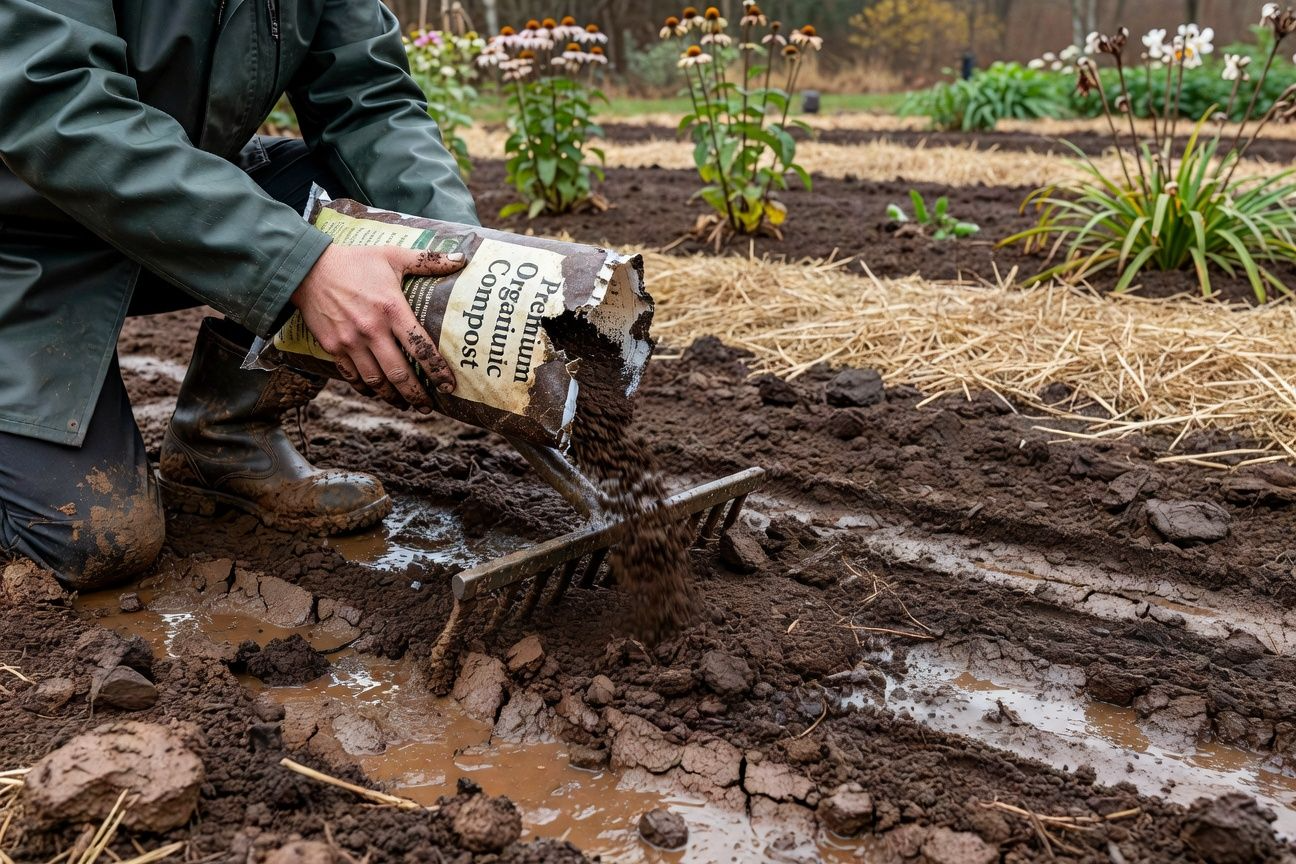
If water is pooling in borders, don’t rush out with a spade while the soil is soaked. Wait until it’s damp but workable, then add organic matter such as garden compost, well-rotted manure, composted bark or leaf mould. Spread it across the surface as a mulch rather than trying to force it deep into wet clay.
Raised beds can help in very wet gardens because the growing area sits above the worst of the water. They’re especially useful for vegetables, herbs and plants that dislike winter wet. That said, raised beds still need somewhere for water to drain. A raised box on compacted, sealed ground can become a large wet container.
For serious standing water, you may need proper drainage work. That can mean land drains, regrading, soakaways or professional advice. This costs money. It’s better to face that honestly than keep replacing plants that were doomed by the site.
Protect Bare Soil in Borders and Beds
Bare soil takes a beating in winter. Heavy rain breaks down the surface, washes nutrients away and can leave a crust that’s hard to work in spring.
Mulch is the simplest protection. Use compost, leaf mould, bark, woodchip, straw around vegetable beds, or well-rotted manure where suitable. Keep mulch away from the crowns of plants, especially perennials that hate sitting damp at the base.
In vegetable beds, cover empty ground with compost, cardboard, green manure or a temporary cover. Green manures can be useful, but choose one suitable for your soil and the time of year. If that sounds like too much faff, a layer of compost is perfectly respectable.
Don’t aim for perfection. Aim for no bare ground if you can manage it.
Sort Out Pots, Containers and Raised Planters
Pots are vulnerable in wet winters because drainage holes can block, compost can become sour, and roots can sit in cold water for weeks. Small pots also freeze faster than borders.
Raise containers on pot feet, bricks or small timber offcuts so water can drain freely. Remove saucers from outdoor pots unless they’re being used for a specific reason in summer. In winter, saucers often become little ponds.
Move Mediterranean herbs such as rosemary, thyme, sage and lavender to a sheltered, bright spot if they’re in pots. They usually cope with cold better than with wet roots. Terracotta pots can crack in freezing weather if the compost is saturated, so drainage matters there too.
Check large planters for blocked holes. It’s a dull job, but it can save expensive plants.
Prepare Lawns for Wet Weather
Wet lawns suffer when they’re walked on too much. The soil compacts, grass thins, moss moves in, and muddy tracks appear where people take the same route to the shed or bins.
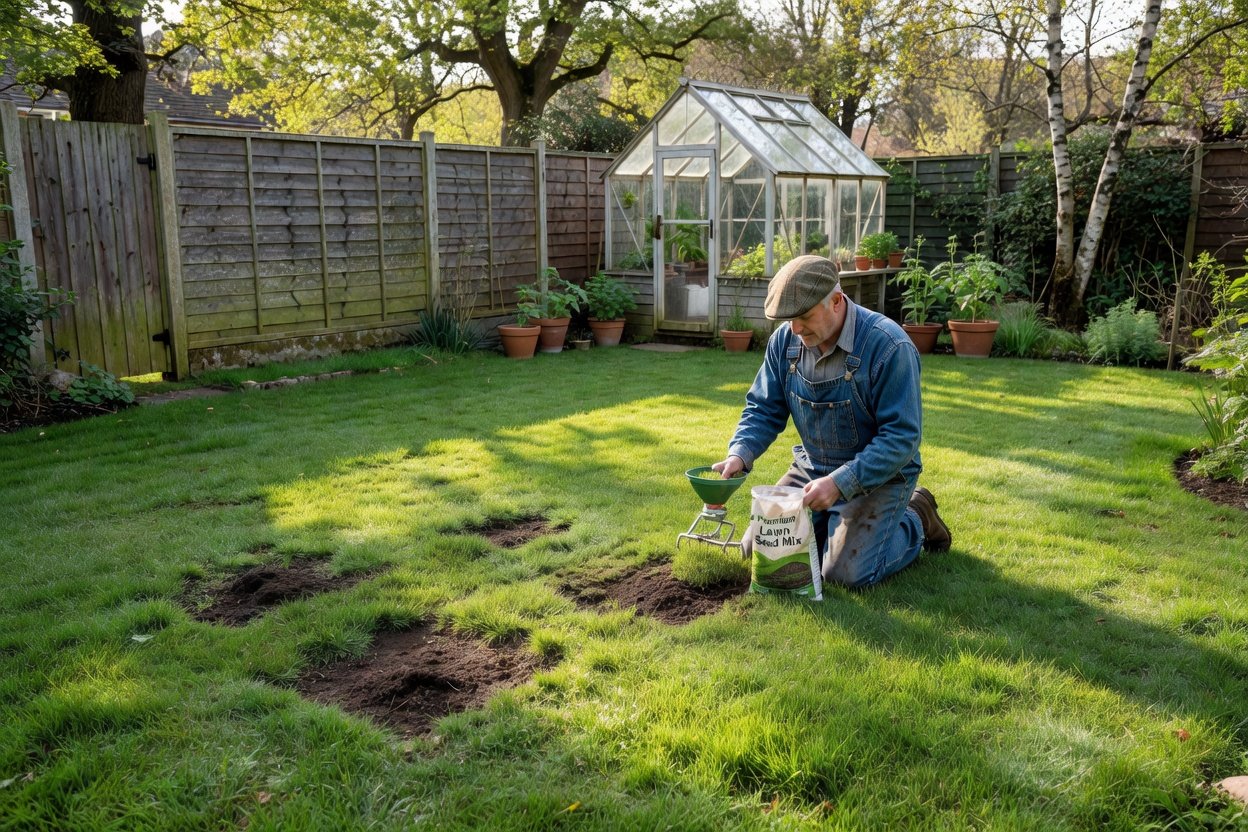
If your lawn is compacted, aerate it in autumn while the ground is moist but not waterlogged. A garden fork will do for a small lawn. Push it in, gently wiggle it back, and repeat across the worst areas. For larger lawns, a hollow-tine aerator does a better job.
Avoid cutting the grass too short before winter. A slightly longer lawn is better able to cope with wet, cold conditions. Keep clearing heavy layers of fallen leaves from grass, as they block light and trap moisture.
If one route always turns muddy, accept the message. Add stepping stones, a gravel path or bark path instead of fighting the same patch every year.
Clear Leaves, But Don’t Strip the Garden Bare
Fallen leaves are not rubbish. They can become leaf mould, protect soil and provide shelter for insects. The trick is putting them in the right place.
Clear leaves from lawns, ponds, drains, steps and the crowns of small plants. Wet leaves on paths are slippery, and wet leaves on lawns can smother grass. Leaves sitting in ponds can also rot and reduce water quality.
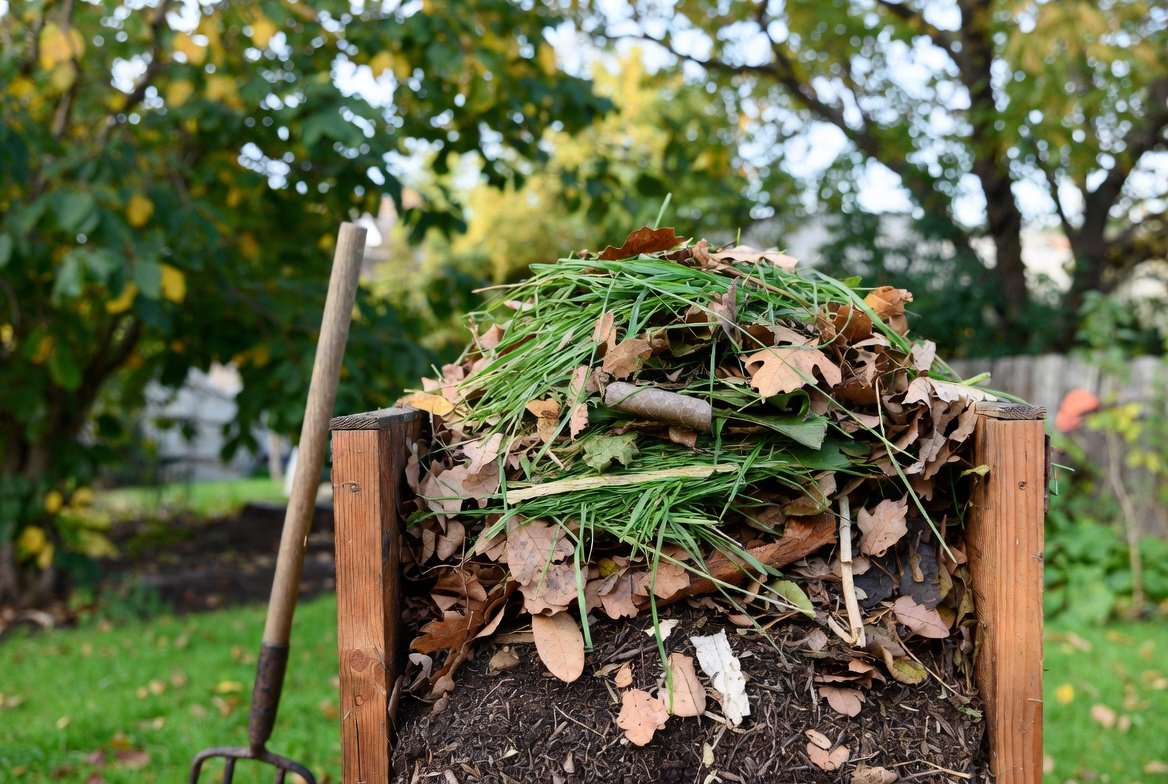
Move leaves onto borders as a light mulch, or collect them in a leaf mould bin, old compost bag with holes, or wire cage. Leaf mould takes time to break down, but it’s excellent for improving soil structure.
The garden doesn’t need to look bare and scrubbed clean. Wildlife needs cover. Just keep leaves away from places where they cause damage.
Protect Plants That Hate Winter Wet
Some plants dislike wet feet more than cold air. Lavender, rosemary, thyme, many alpines and some silver-leaved plants struggle in heavy, damp soil. If they’re planted in clay, winter can be rough.
For these plants, drainage is the main protection. Grow them in raised beds, gravelly soil or pots with free-draining compost. Avoid mulching them with rich, wet material right up against the stems.
Tender plants need a different approach. Cannas, dahlias, pelargoniums, tender salvias and citrus may need lifting, moving under cover, or wrapping, depending on where you live. Coastal Cornwall is not the same as inland Scotland. Local frost and exposure matter.
Don’t wrap plants too early in heavy plastic. Trapped damp can cause rot. Use breathable fleece where protection is needed, and remove or loosen it during milder spells.
Check Trees, Shrubs and Climbers Before Storms
Wet winters often arrive with wind. That combination can loosen newly planted trees and shrubs, especially if roots haven’t anchored properly.
Check stakes and ties before storms become regular. Ties should support the plant without cutting into the bark. If a tree rocks at the base in strong wind, new roots can break, which slows establishment.
Prune out dead, damaged or obviously unsafe branches where you can do so safely. Leave major tree work to a qualified tree surgeon. It isn’t worth the risk.
Climbers also need checking. Tie in loose stems of climbing roses, clematis, honeysuckle and jasmine before winter gales whip them around. Replace brittle old ties with soft garden ties.
Keep Drains, Gutters and Water Butts Working
A garden can only cope with rain if water has somewhere to go. Blocked gutters, clogged drains and overflowing water butts can dump water exactly where you don’t want it.
Clear leaves from gutters and drain covers before the worst weather. If a downpipe empties straight into a border, check whether it’s causing erosion or waterlogging. Sometimes a simple diverter or gravel splash area helps, though bigger problems may need proper drainage.
Empty or partly drain water butts if they’re overflowing constantly. Make sure lids are secure and stands are stable. A full water butt is heavy, and soft ground can shift beneath it.
Also check sheds and greenhouses. Leaks, blocked gutters and dripping roof edges can create persistent wet patches nearby.
Make Paths and Patios Safer
Wet paths become slippery quickly, especially where algae, moss and fallen leaves build up. This is one of the most practical winter jobs because it affects how safely you use the garden.
Sweep leaves regularly from steps, decking and paved routes. Clean slippery patches before they become a fall risk. On decking, check for loose boards, raised screws and rotten edges.
Gravel paths may need topping up or raking level before winter. If water runs across a path every time it rains, look at where it’s coming from. You may need to redirect it, add edging, or create a better route for runoff.
Safety is part of garden care. It’s not just about plants.
Avoid Common Wet Winter Mistakes
The first mistake is walking on wet beds. It compacts the soil and makes spring planting harder. Use boards, stepping stones or defined paths if you need access.
The second is over-tidying. Cutting every stem down and removing every leaf can leave soil exposed and wildlife with fewer places to shelter. Leave some seedheads and hollow stems where they’re not causing problems.
The third is feeding too late. Soft new growth encouraged by late feeding is more vulnerable to cold and wet weather. Save most feeding for spring, when plants are ready to grow.
The fourth is ignoring small drainage clues. A puddle in October is a warning. By January, it may be a problem.
What to Do Next
Next 10 minutes: walk around the garden after rain and note where water sits, where paths get slippery, and which pots are standing in puddles.
Today: raise outdoor pots, clear drain covers, sweep leaves from lawns and paths, and remove saucers from containers.
This week: mulch bare soil, aerate compacted lawn areas if conditions are right, check tree ties and move wet-sensitive pots to shelter.
A wet winter doesn’t have to ruin the garden. Focus on drainage, soil protection, safer access and the plants most likely to suffer. You won’t control the weather, but you can stop rain from turning avoidable weaknesses into expensive spring repairs.